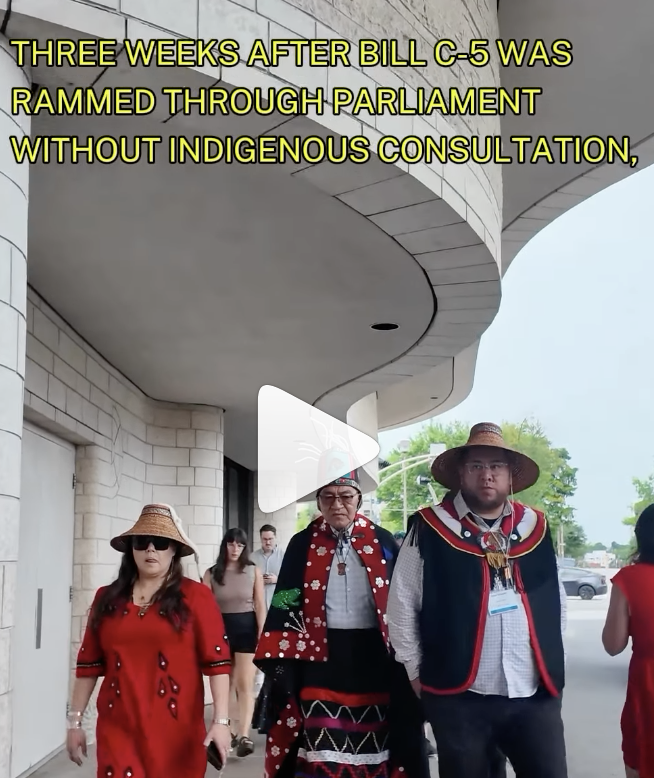
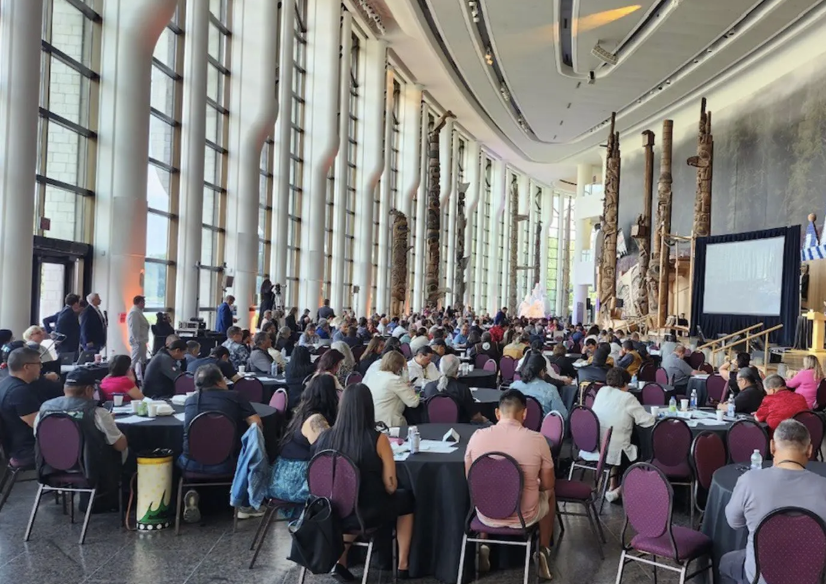
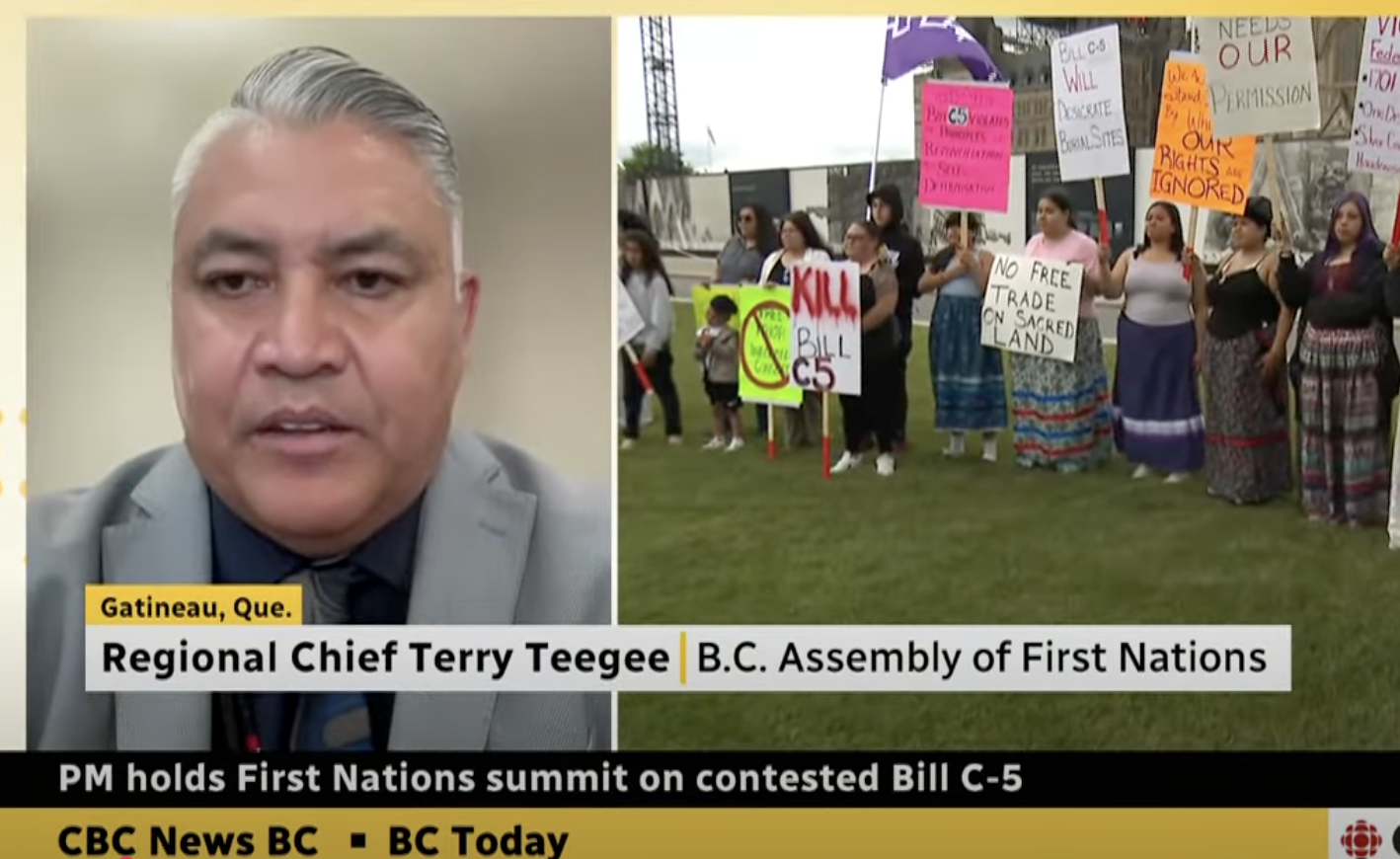
Prime Minister Mark Carney was challenged by First Nations leaders in Ottawa this week on his government’s pipeline push, at a summit meant to allay concerns over Bill C-5.
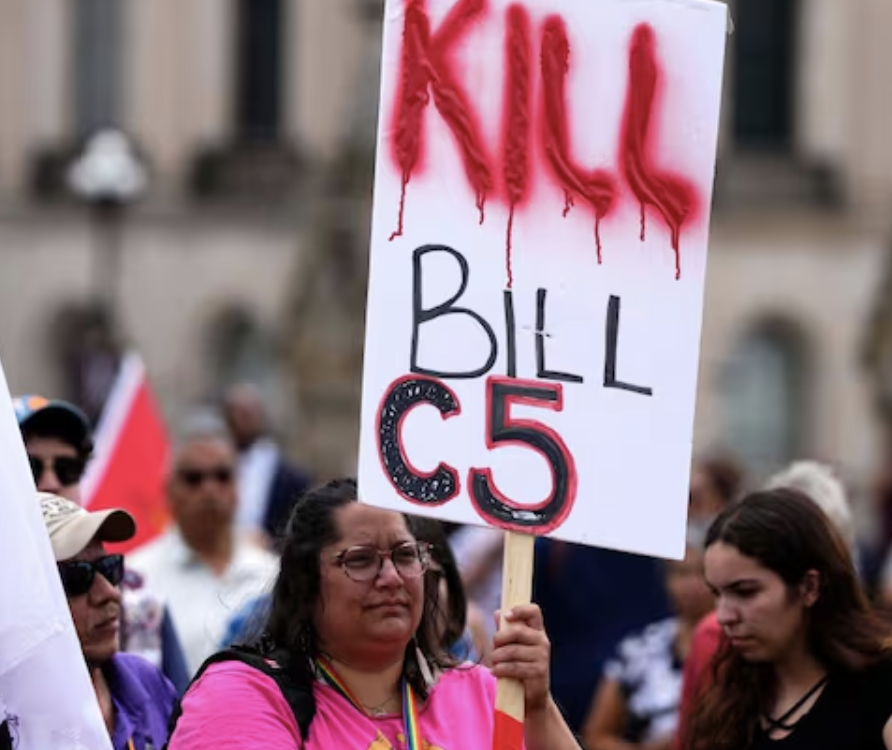
The controversial fast-track law was rammed through parliament three weeks ago without Indigenous consultation, something the PM tried to make up for with a follow-up meeting.
“My main concern is there are many many title-holders that are not here today. Their voices are not being heard,” said Gwii Lok’im Gibuu (Jesse Stoeppler) from the Gitxsan Nation in B.C.
None of the hereditary chiefs from traditional governments in Gitanyow, Gitxsan or Wet’suwet’en territory were invited to the summit, despite a Supreme Court ruling recognizing them as the proper titleholders across territories where multiple pipelines are proposed.
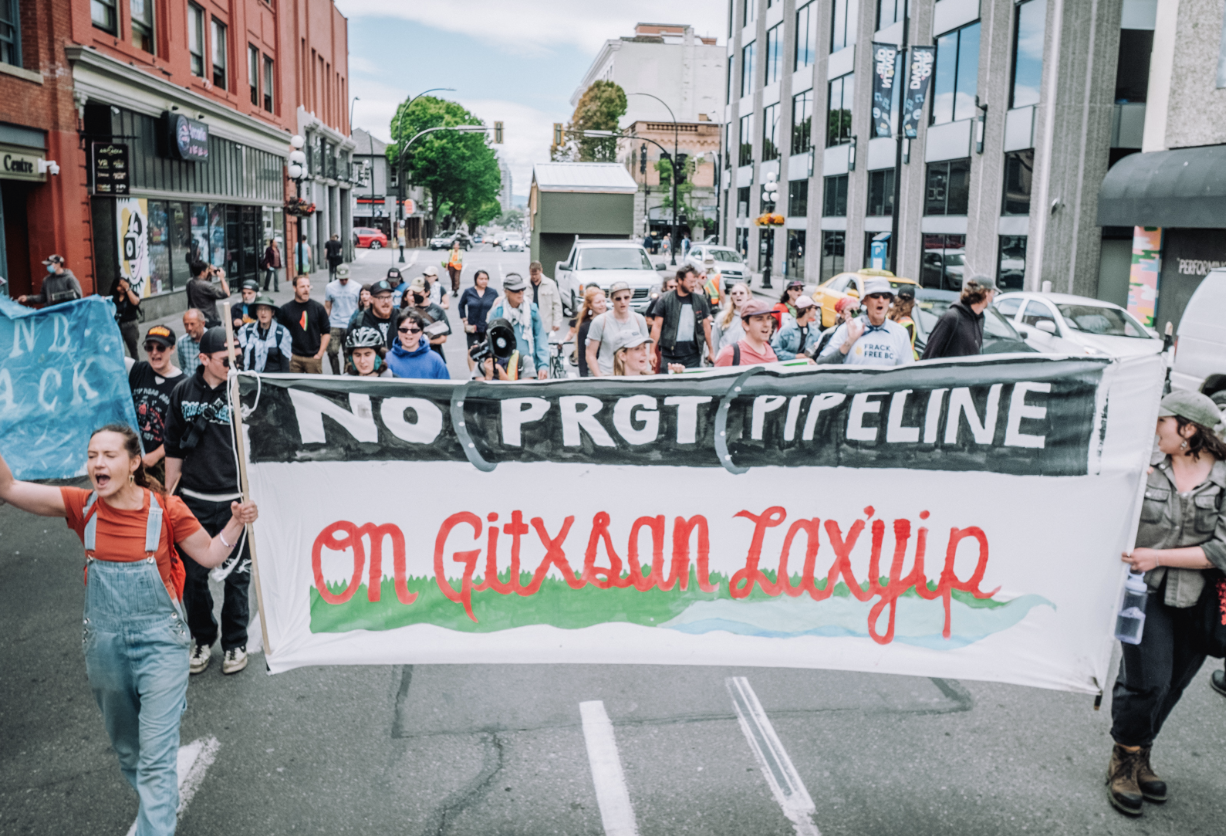
“The Wet’suwet’en had to learn the hard way what happens when we say no. Now the Gitxsan are next,” Gwii Lok’im Gibuu continued, naming the Prince Rupert Gas Transmission pipeline.
“And this approach is meant to stuff the pockets of U.S. billionaires on Wall Street. Is this the ‘elbows up’ approach that you have been talking about?”
“With respect to this specific project, it’s not one that I’m very familiar with. I mean, I know the headlines but I don’t know the details,” responded Prime Minister Carney.
“There are different views even in this room about the desirability of that project, among different First Nations,” Carney continued. “And the question is, is there a process that can develop and reconcile those views, so there’s a consensus around it?”
“I mean we’re politicians, we’d like to be there for the ribbon cutting,” Carney joked. “But we’re going to help where there’s support. Not try to find support where there’s not.”
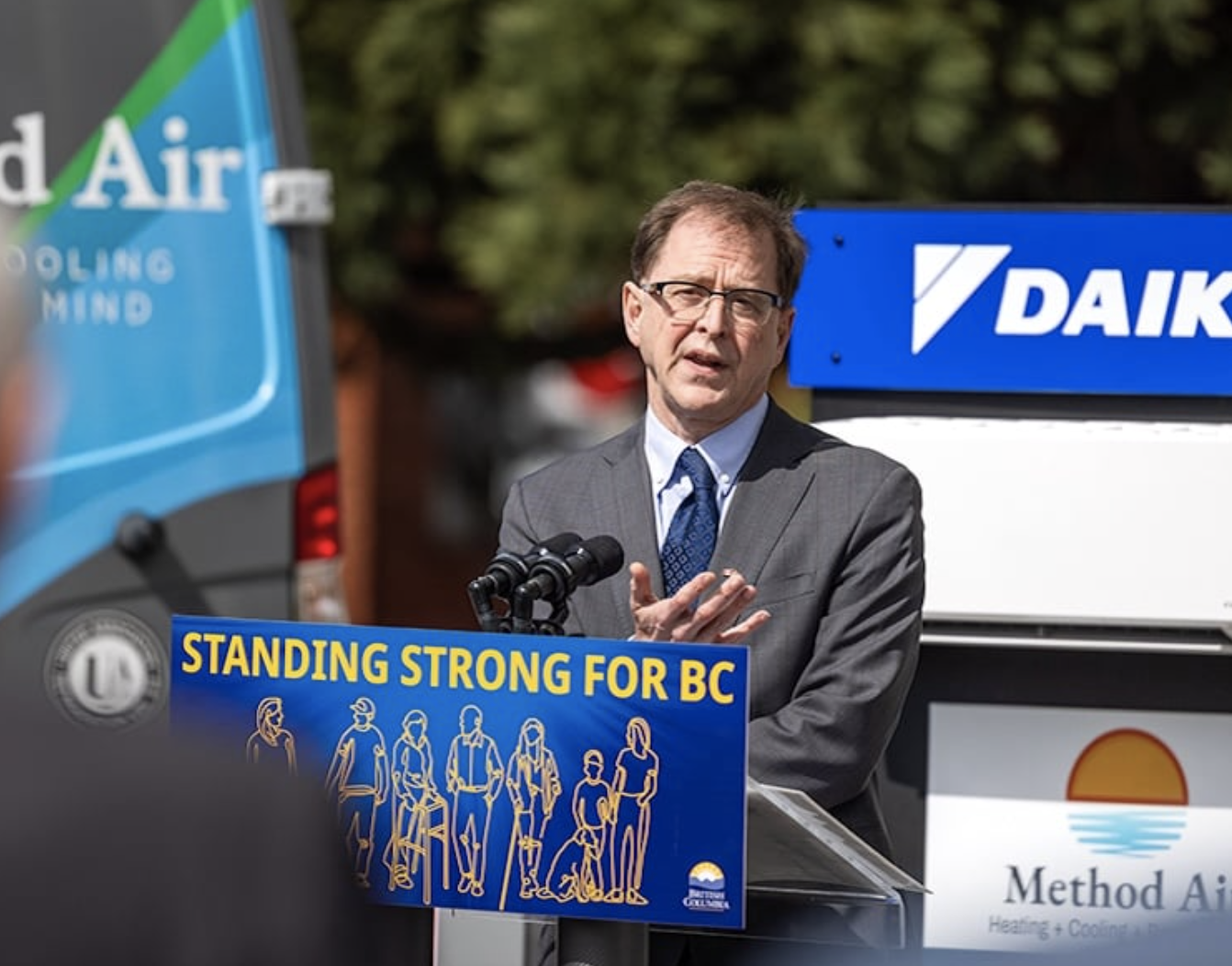
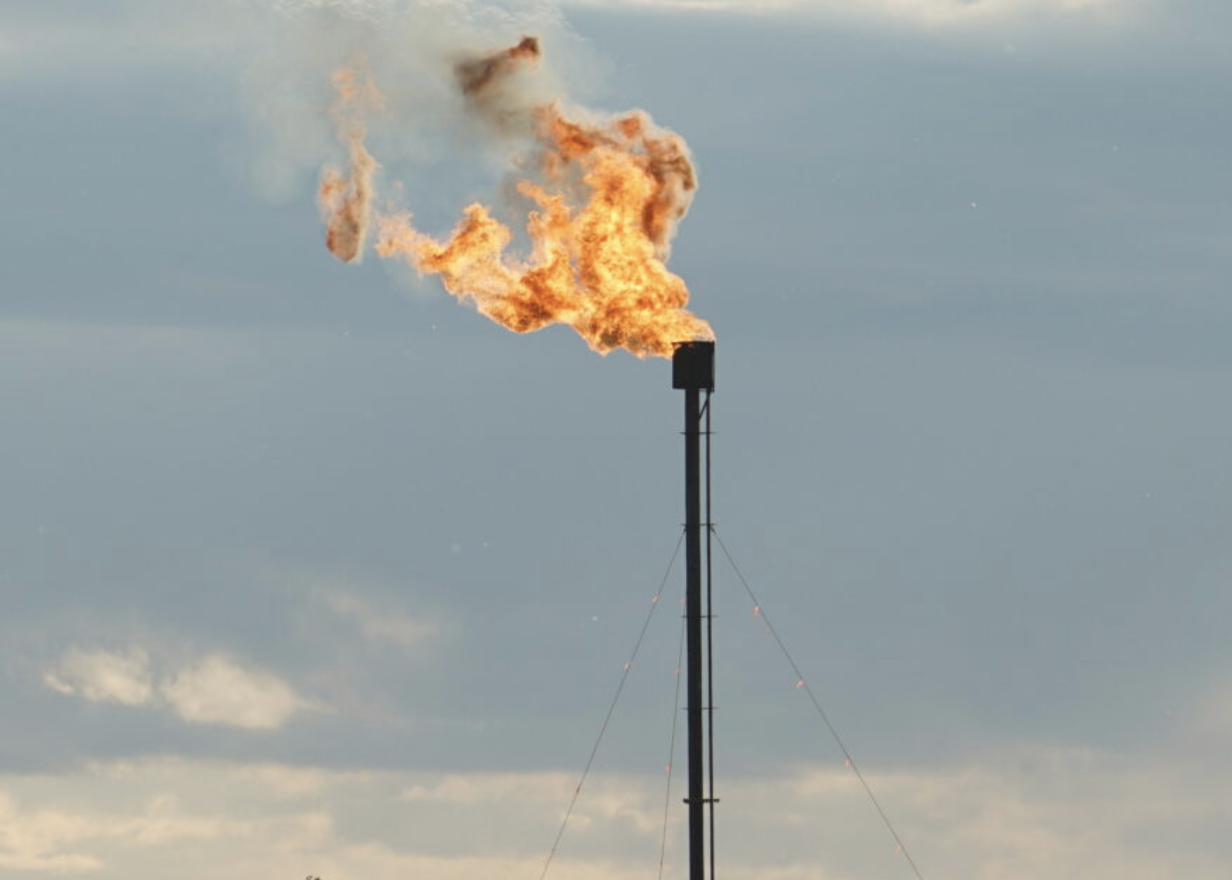
There is certainly no consensus on PRGT, or the American-owned Ksi Lisims gas terminal. But the B.C. government is pushing hard to fast-track both.
We’ll find out soon if Carney sides with his provincial counterparts – or steps back from a project that could jeopardize his already fragile relationship with First Nations across the country.