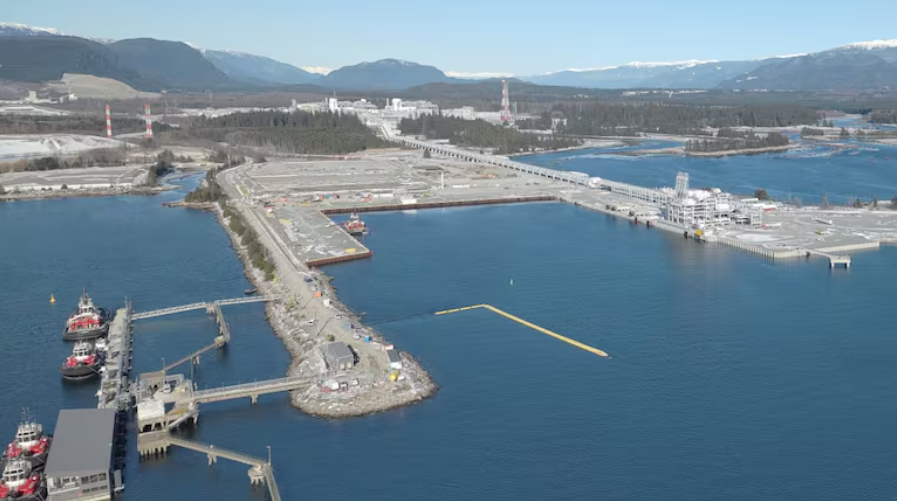
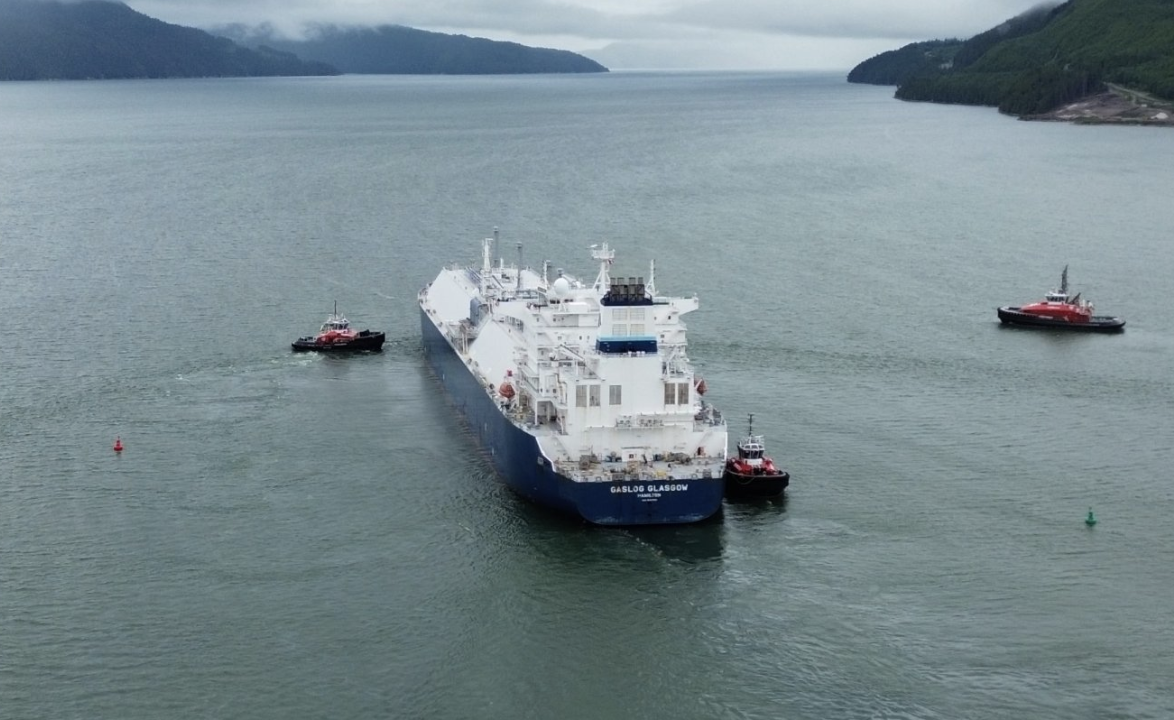
Premier David Eby, Energy Minister Adrian Dix and other government talking heads have a new (to them) angle for selling the public on LNG. Apparently, B.C.’s fracked gas is the cleanest and lowest-carbon(ized?) in the world!
If you blinked and missed it, the BCNDP are parroting almost identical garbage the BC Liberals used to. Their sloppy seconds messaging is that LNG is a “less carbon-intensive” option for countries around the world still burning dirty coal (which B.C. allows the United States to ship out to them, by the way).1
But is it true? Is B.C. LNG really better for the environment and these wayward nations who desperately need our “clean” supply?
The answer, of course, is no. So why are they hammering this talking point so hard, and getting away with it?
Scientist and Energy Analyst David Hughes answered this question years ago when politicians like former BC Liberals leader Kevin Falcon wouldn’t shut up about "clean" LNG.
“They haven’t looked at the full lifecycle of emissions,” Hughes said. “If you just look at the emissions for a given amount of heat, basically gas is about half the emissions of coal at the burner tip.”
That ignores the emissions from drilling (which, in the case of LNG is methane-heavy), producing the gas, putting it in a pipeline, liquefying it, putting it on a ship, moving it across the ocean, then re-gasifying it.
At each stage of that process there are leakages of methane, a much more potent greenhouse gas than the carbon dioxide. Studies now show fugitive methane emissions are much higher than we thought, throwing off any previous calculations of extraction’s impact.
Another reality is that LNG does not just replace coal, one for one. The fracked gas the United States and B.C. are pushing on nations like South Korea and Japan will lock them into burning fossil fuels rather than much cleaner options, like solar and wind.
There is evidence that LNG from B.C. would slightly contribute fewer greenhouse gas emissions than coal over the course of 100 years, but significantly more over the first 20… which is when the climate tipping point matters most.
David Eby and his government are robotic with these "made in B.C., cleaner LNG" talking points, conveniently leaving out the full story of what's at stake for the climate and our economy, not to mention the American funders behind the PRGT pipeline and Ksi Lisims LNG terminal.
1]https://www.cbc.ca/news/canada/british-columbia/thermal-coal-export-tax-us-tariffs-1.7480406