The B.C. government is facing an electricity crunch, with power-hungry gas terminals and AI data centres both hoping to tap into BC Hydro’s renewable energy grid.
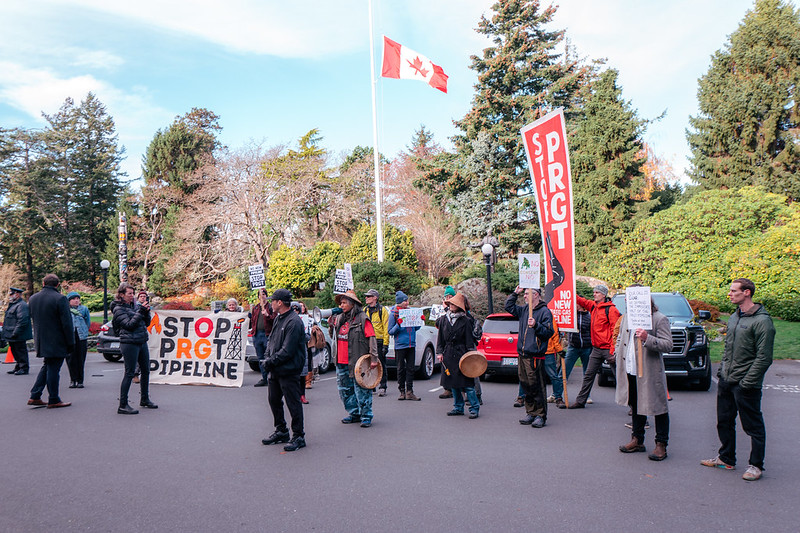
The province introduced new legislation this week to “expedite” the North Coast Transmission Line, a $6 billion taxpayer-funded project that will offer cheap power to mines, fracking and LNG projects.
But a press release announcing Bill 31, the Energy Statutes Amendment Act, also signals growing interest from companies hoping to cash in on the Artificial Intelligence boom.
It’s not just fake videos of “King Trump” dropping sewage on protestors. AI has been used to generate target lists for Israeli drones, expand U.S. domestic surveillance and jack up rents.
Machine learning has beneficial uses, like training computers to better identify cancer cells. But largely this is about boosting corporate profits at the expense of workers and the environment.
Wall Street’s excitement for AI has kicked off a boom in data centres, which require staggering amounts of electricity, land and fresh water to cool endless warehouses full of servers.
When these data centres plug into local power grids, they put enormous strain on utilities – siphoning off drinking water, increasing people’s electricity bills and raising the risk of blackouts.
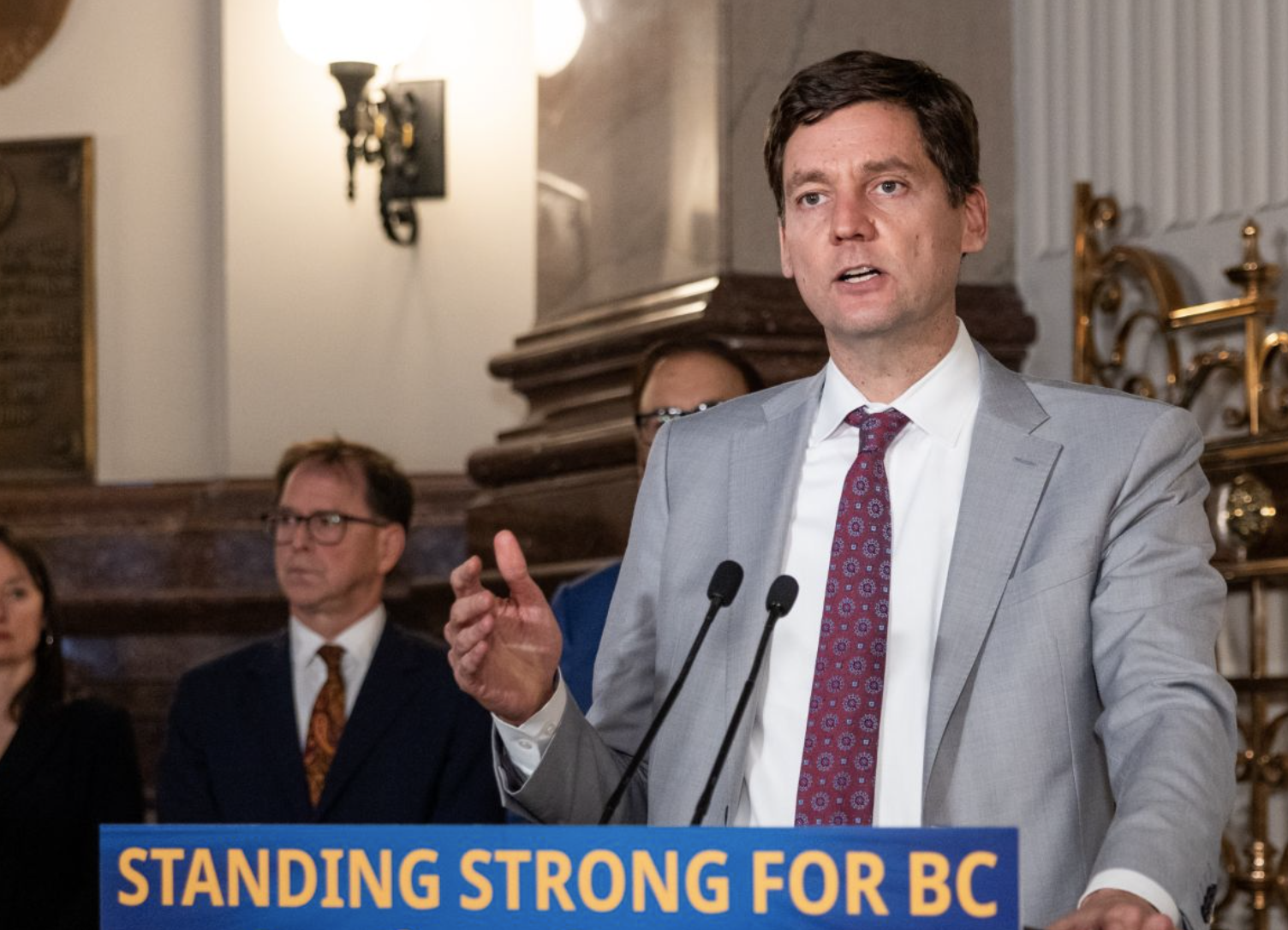
B.C.’s Energy Minister Adrian Dix promises regulations this fall will put limits on the power available for data centres and AI, and ban new connections for cryptocurrency operations.
But there’s another way data centres can get the power they want, and that is by burning fracked gas. That’s Alberta’s plan to woo the AI industry, and it’s happening all over the U.S.
So far AI looks a lot like a speculative financial bubble, but it’s being used to justify real-world gas infrastructure that could lock in decades of increasing emissions.
Anywhere that gas pipelines, rivers and fibre-optic networks overlap, data centre developers are drawing bullseyes on the map. That could apply to a lot of communities across B.C.
With the province already dismantling its climate plan – and demand for LNG drying up in Asia – it’s only a matter of time before AI lobbyists propose a new use for B.C’s gas reserves.