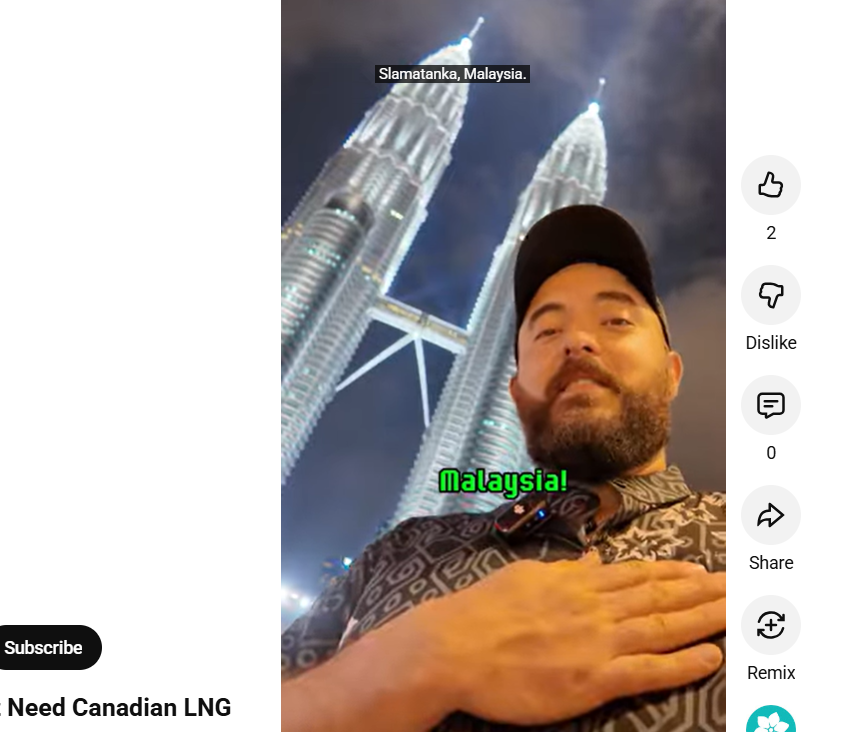
Greetings from Kuala Lumpur. I can still taste the flavour of Musang King durian as I write this from the smoggy, sweaty capital of Malaysia's global gas empire.
Shortly after the troubled LNG Canada terminal fired up in June, B.C. premier David Eby paid a visit to its owners here in the famous twin towers, hailed as a masterpiece of Islamic architecture.
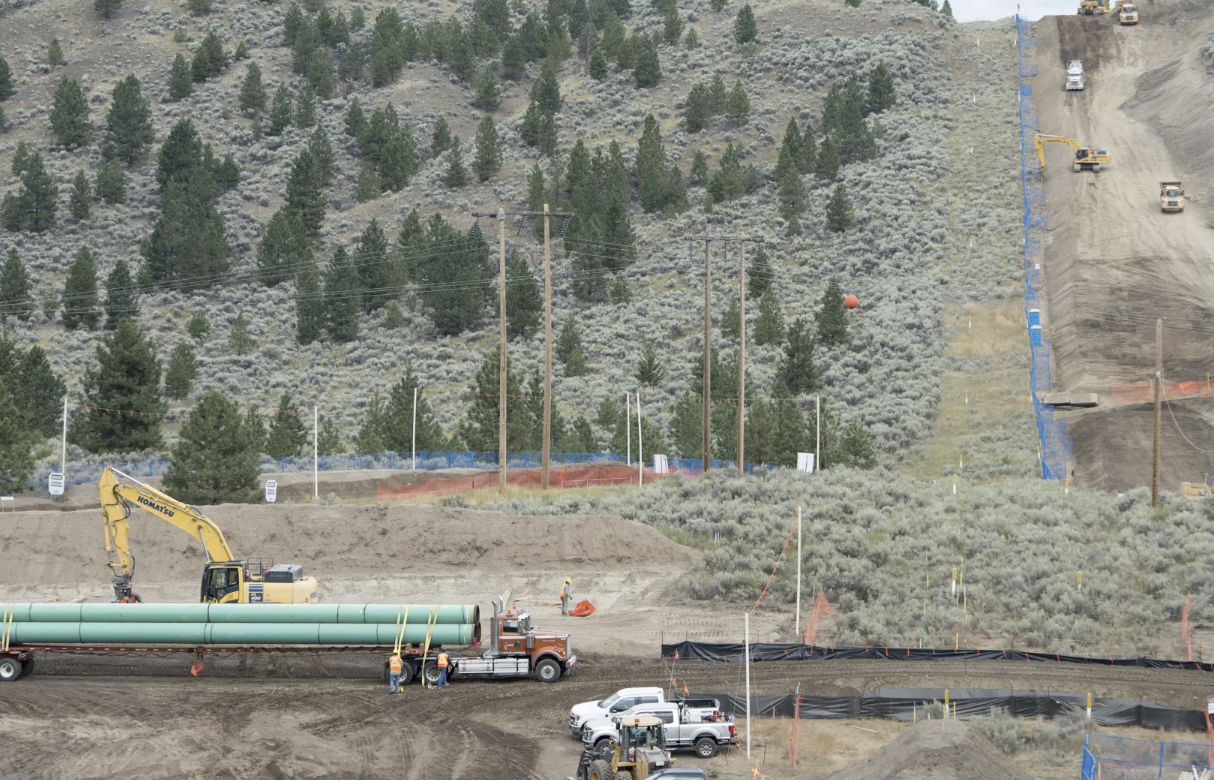
Petronas, Malaysia’s powerful state oil company, owns 20 per cent of the gas terminal and a wide portfolio of fracking infrastructure in Northeast B.C.
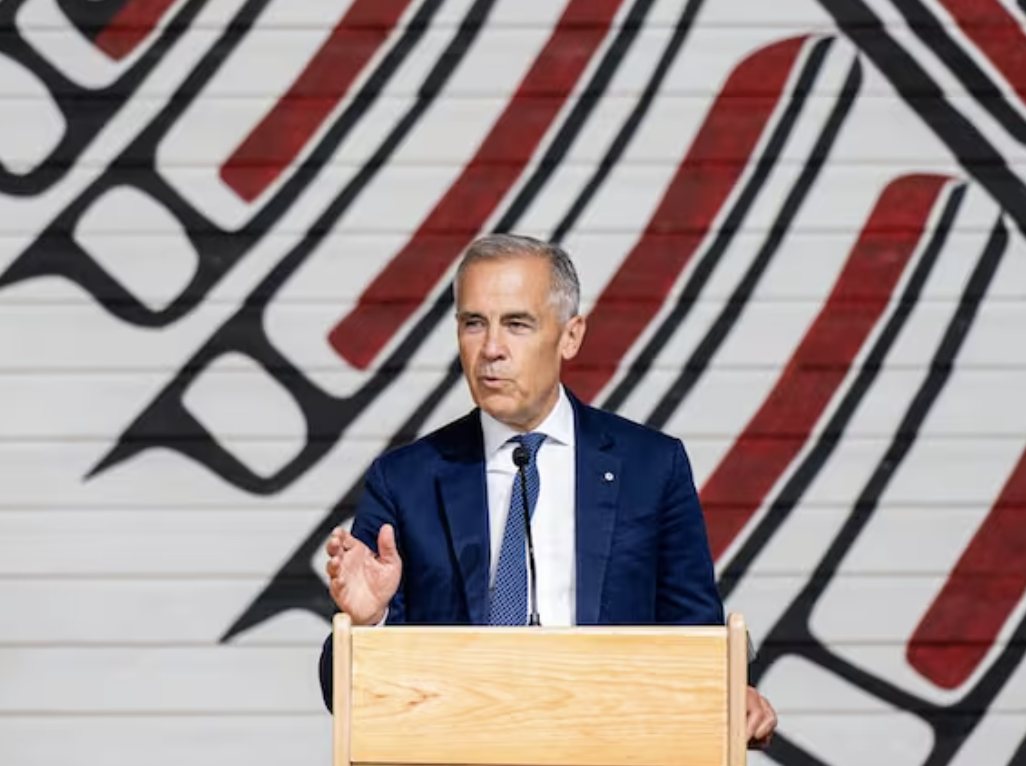
Eby was here to beg Petronas to green-light the second phase of the terminal, which has since been added to Prime Minister Mark Carney’s “fast track” list.
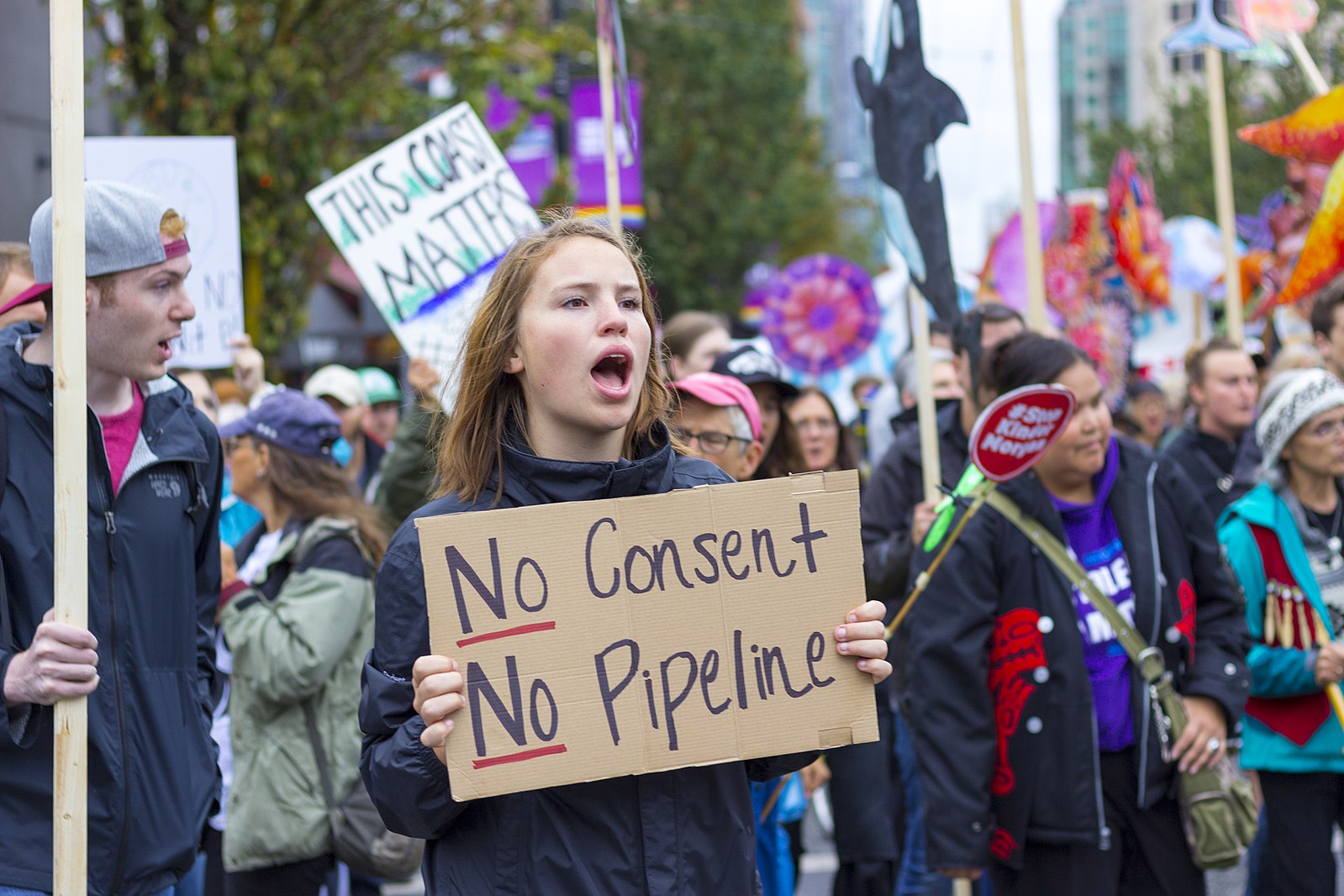
Both levels of government are willing to suspend environmental laws, repress Indigenous resistance and give away billions of taxpayer dollars, all to make Petronas and its partners feel at home in B.C.
But despite generous subsidies, the terminal has been underperforming — loading just 23 cargoes since Canada Day. Meanwhile, columns of flame and toxic smoke are still belching into the sky, in a sign of ongoing technical problems.
It's also not clear that Petronas needs more gas from B.C. Petronas is an LNG dealer, not a buyer. It’s using its Canadian fracking outpost to fulfill existing LNG contracts in China, Japan and Korea.
But demand shrank this year in all three countries, which are considered the biggest LNG markets in the world. And a suite of massive new American LNG terminals, which are already under construction, risk seriously oversupplying the market.
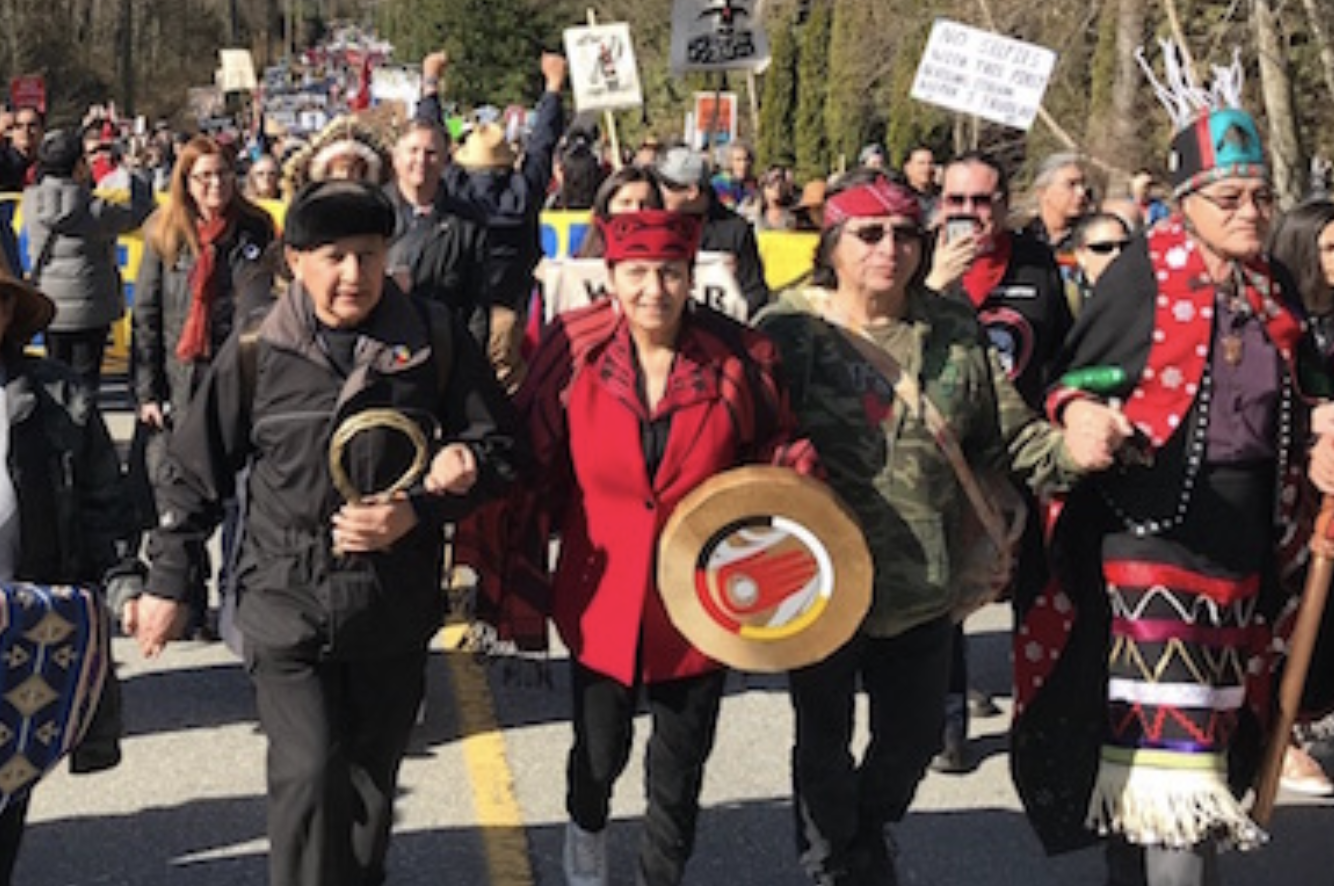
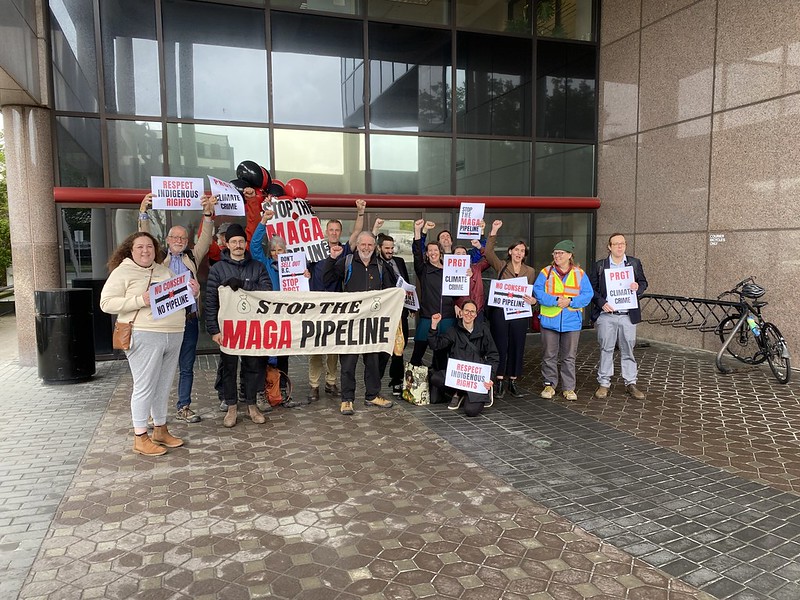
This week, I joined Indigenous leaders on a delegation to Kuala Lumpur, where they hand-delivered a human rights complaint to Petronas executives, and warned them not to invest in a project that is financially risky and lacks Indigenous consent.
It was a timely response to Premier Eby's servile sales trip a few months ago. And for the first time, Malaysians are taking notice of what their publicly-owned company has been up to on the other side of the Pacific.