I’m writing to you from the seaside capital of Australia’s resource-rich Western state, where the Labor party premier just rammed through a bill to fast-track mines and LNG projects.
Indigenous people trying to protect their food security, health and sacred sites are up against politicians who all seem to be working for gas companies (other than the Greens).
It’s summer here, my shadow falls to the south, and the constellation Orion is upside-down. Other than that it feels much like Victoria B.C., with kangaroos instead of urban deer.
And now we’re linked together by Australian oil and gas behemoth Woodside, whose logo looms over the Western Australia (WA) parliament – and people’s lives all across the country.
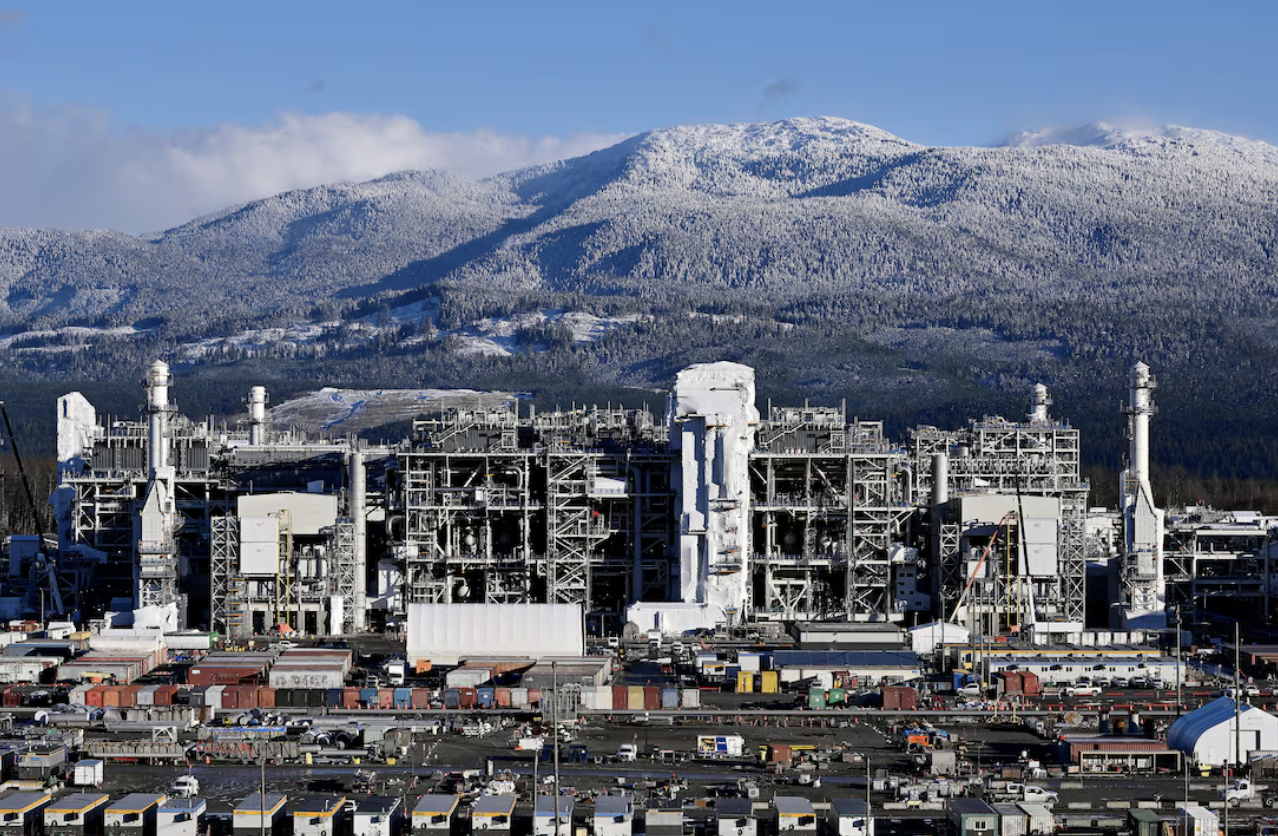
Woodside has huge gas leases in Northeast B.C., which is why it’s backing the American-owned Ksi Lisims LNG terminal and PRGT pipeline.
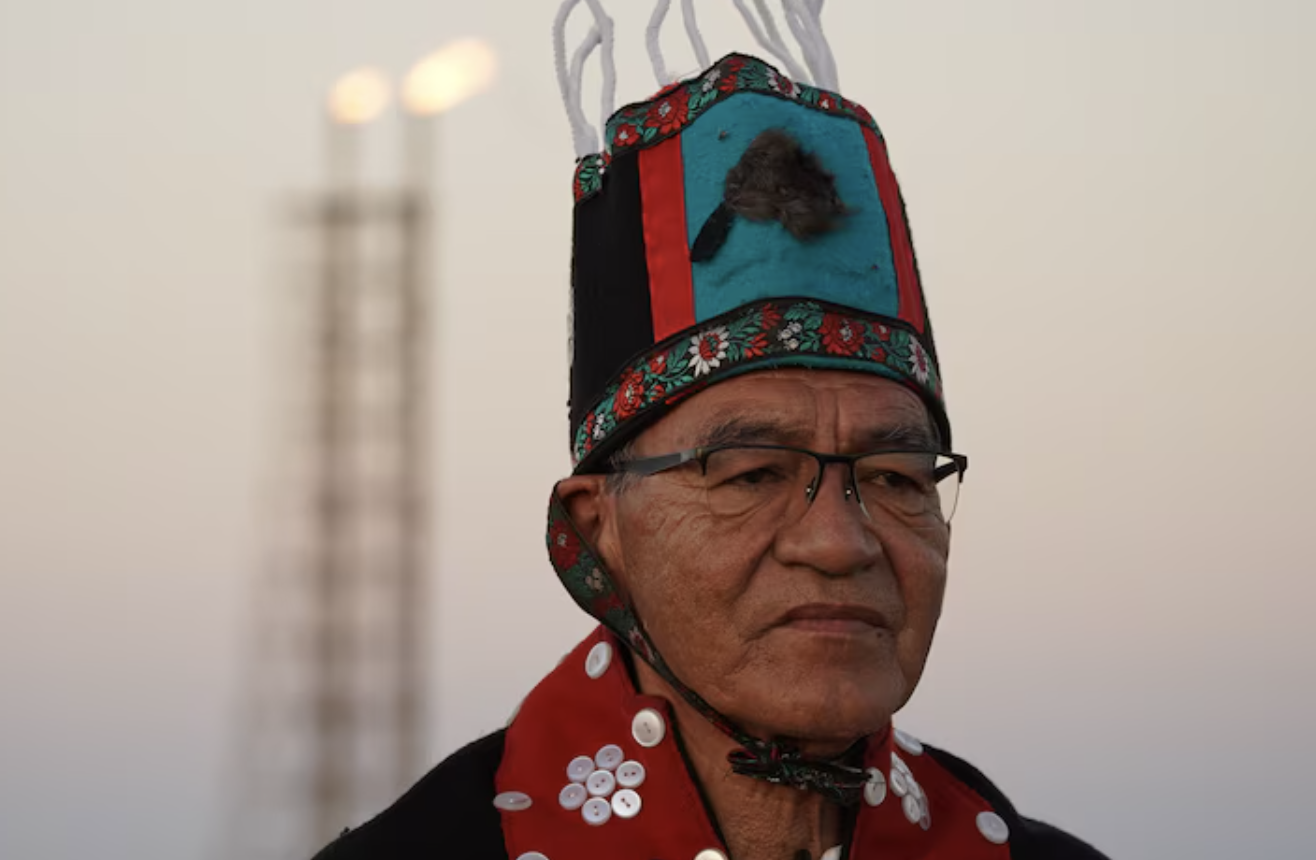
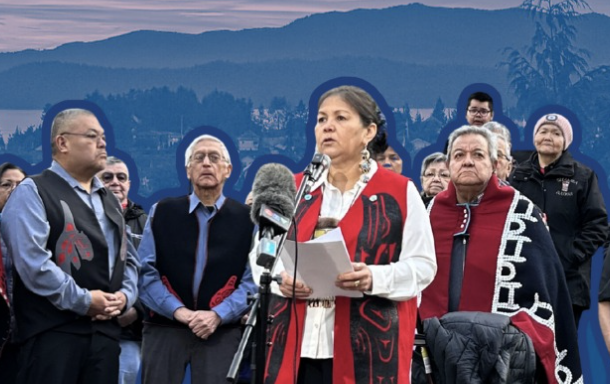
I travelled to WA with Wet’suwet’en hereditary chief Na’moks and Gwii Lok’um Gibuu of the Gitxsan, to find out how Woodside operates on unceded Aboriginal lands.
We met with traditional custodians in Murujuga and witnessed Woodside’s LNG compressors and flare stacks raining corrosive chemicals on rock engravings that are 40,000 years old.
It’s the oldest and largest art gallery in the world, with the first known depiction of the human face. Woodside bulldozed 5,000 rock art sites for its LNG terminal, crushing them for road fill.
It’s been heartbreaking. But also deeply healing and restorative, through connections with incredible land defenders, their powerful songlines and ngurra (a significant word in many local Indigenous languages, meaning country or land).
Fighting transnational corporations means building relationships across parallel worlds, learning from each others’ experiences and collaborating to save both our homes.
Companies like Woodside, Petronas and Shell are already coordinating their strategies all around the world. We have to do the same.