“There’s a lot of motivations here. It’s by no means all about the oil,” said former CIA director David Petraeus on Canadian television this week, commenting on the U.S. military’s incursion into Venezuela.
It’s about the oil, President Trump said, repeatedly and emphatically. It’s also about the minerals, added Secretary of Commerce Howard Lutnick. And sending a message to other countries in “our hemisphere,” warned White House advisor Stephen Miller.
Where does this leave Canada, the resource-rich "beautiful landmass” surrounded by the lower 48 states, U.S. firepower in Alaska and Trump’s latest object of fixation, Greenland?
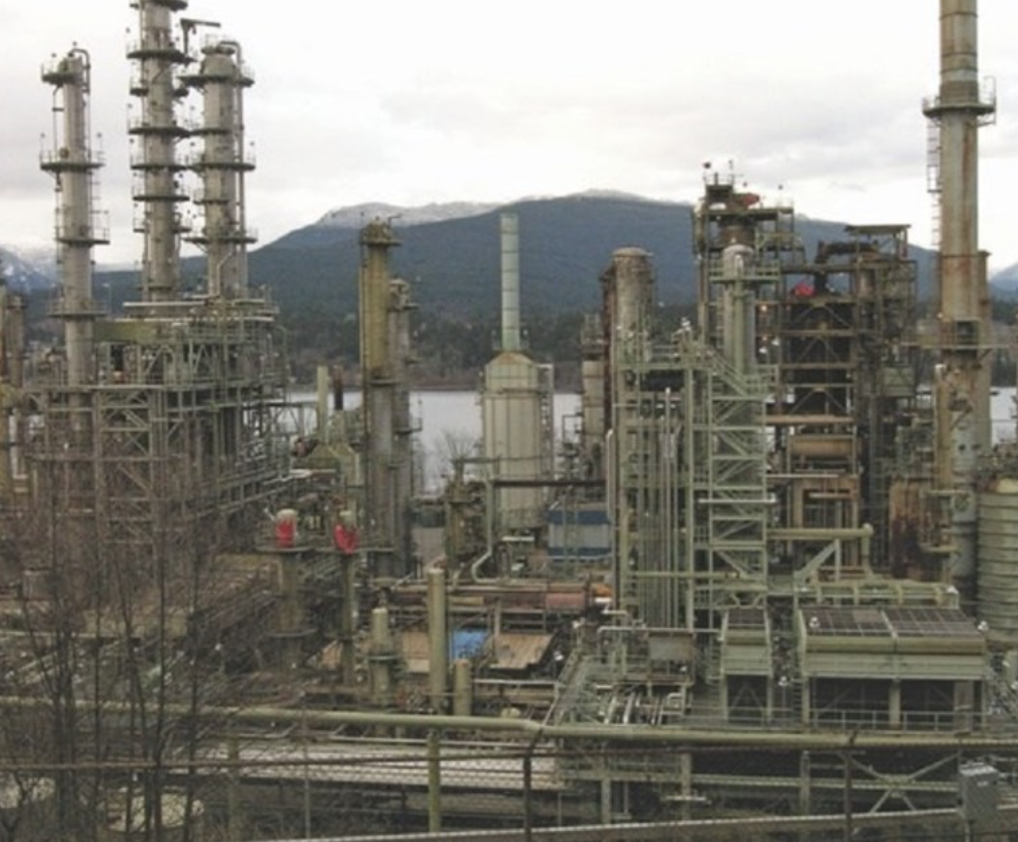
For one thing, we now have less leverage in trade negotiations. Canada is the top supplier of oil to the U.S. But Venezuela produces identical grades of heavy crude, which work in the same U.S. refineries. More supply means lower prices for Canada’s number-one export.
Conservative politicians say the answer is to spend five years and billions of taxpayer dollars building another West Coast pipeline to export more oil to China. Which they don’t need. Plus, how would Stephen Miller react to us diverting America’s fuel supply to its most hated rival?
The U.S. has a stranglehold on oil and gas production in Canada. American shareholders own the majority of Alberta’s oil sands. KKR, the Wall Street firm that employs General David Petraeus, owns Coastal GasLink – Canada’s only gas export pipeline to the coast.
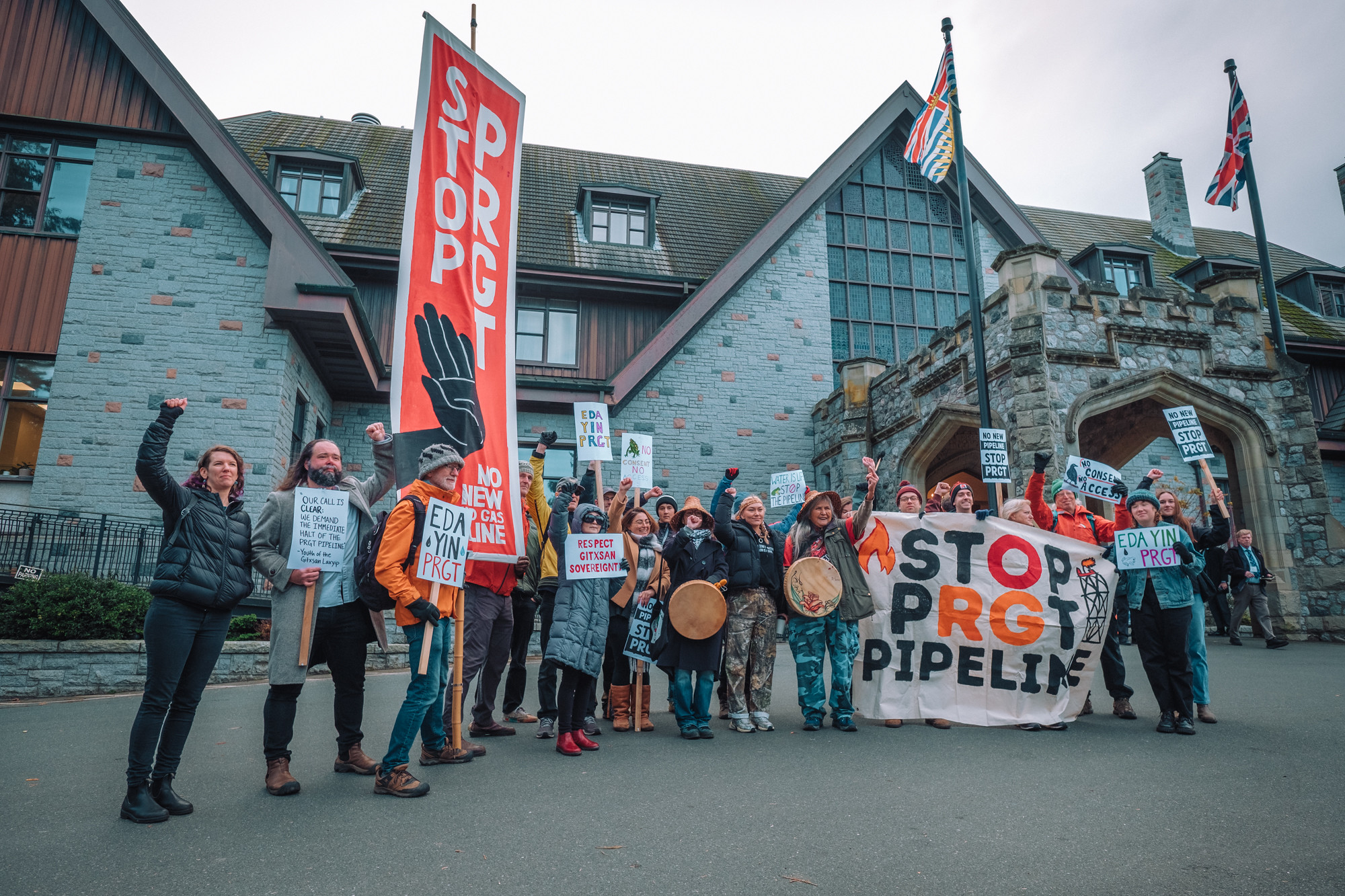
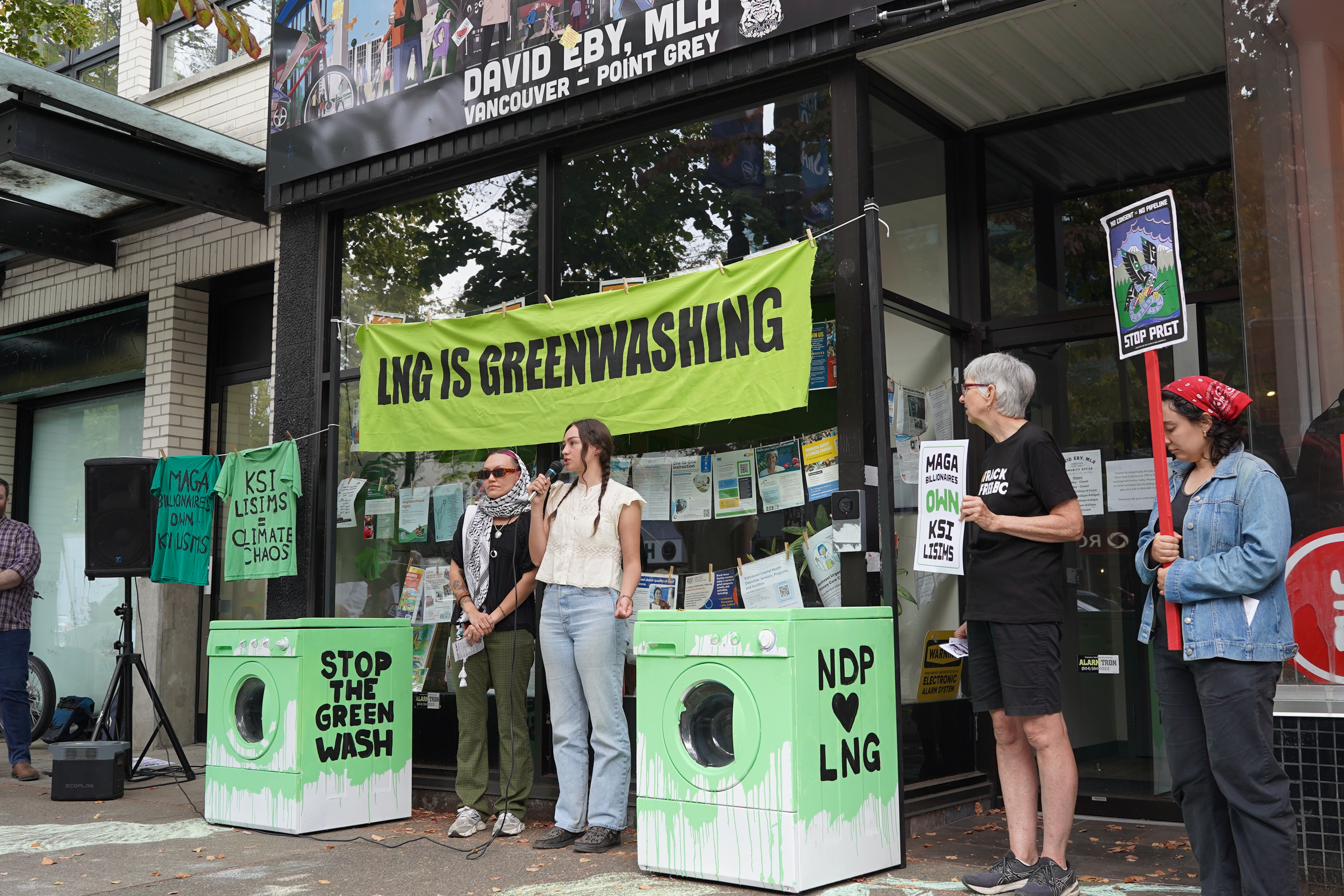
Blackstone and Bechtel, more American companies with close ties to the White House, are now pushing the PRGT pipeline and Ksi Lisims LNG terminal. So far Canadian politicians are rolling out the red carpet. But is that a good idea?
Should taxpayers be subsidizing American companies to take more of our resources? Should we keep depending on a fossil fuel sector dominated by the United States? Or should we focus on the one resource this administration seems allergic to: renewable energy?