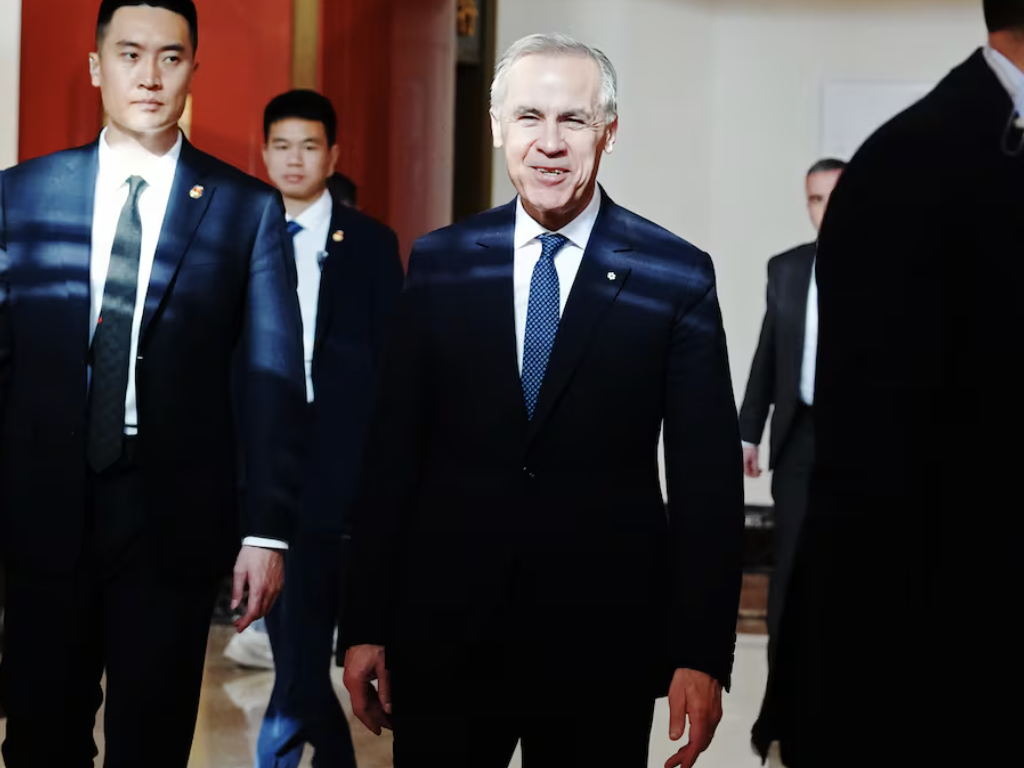
This week Prime Minister Mark Carney signed another Memorandum of Understanding with a premier far more powerful than the one in Alberta: Li Qiang.
China’s head of government expressed interest in Canadian energy products, but did not actually commit to buying more crude oil or LNG.
That’s a problem for Carney, who is trying to fast-track new export terminals on the premise there are customers clamouring for more gas overseas.
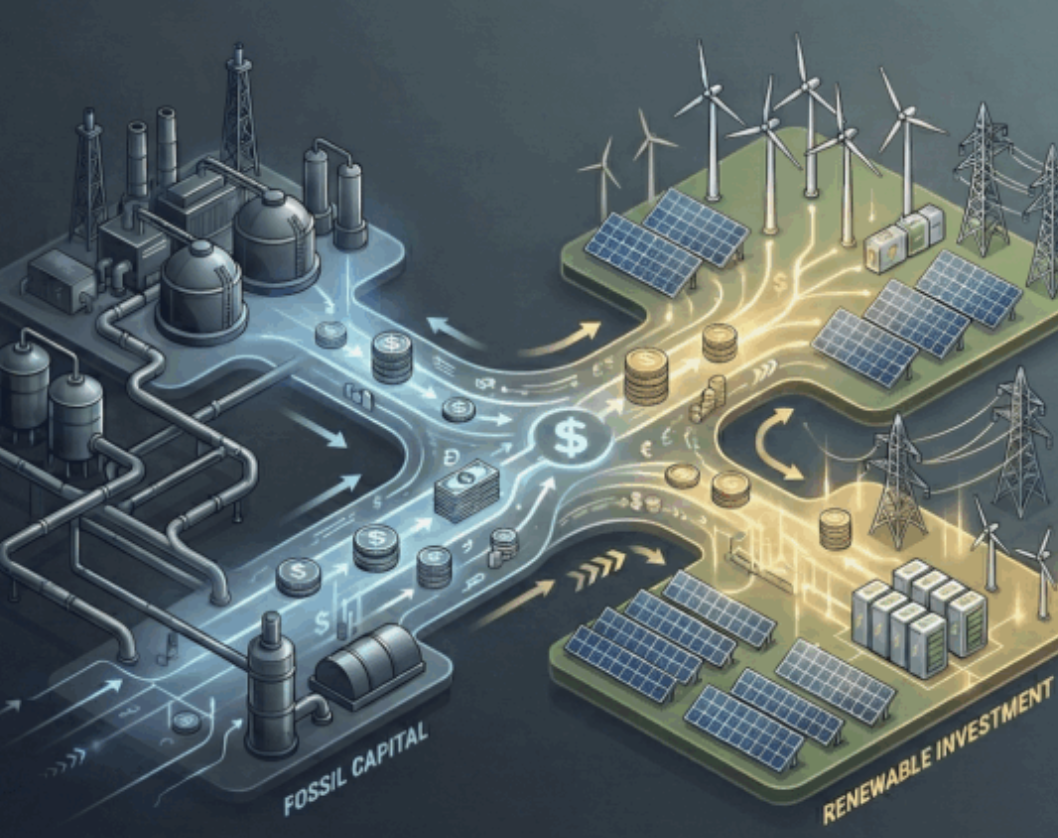
China is the biggest potential market. But last year the country cut its LNG imports by 12 per cent. That’s because electricity from wind and solar is now cheaper than burning gas.
Meanwhile, electric vehicles are reducing demand for motor fuel. Energy researchers working for the Chinese government say the country’s oil demand will peak next year, in 2027.
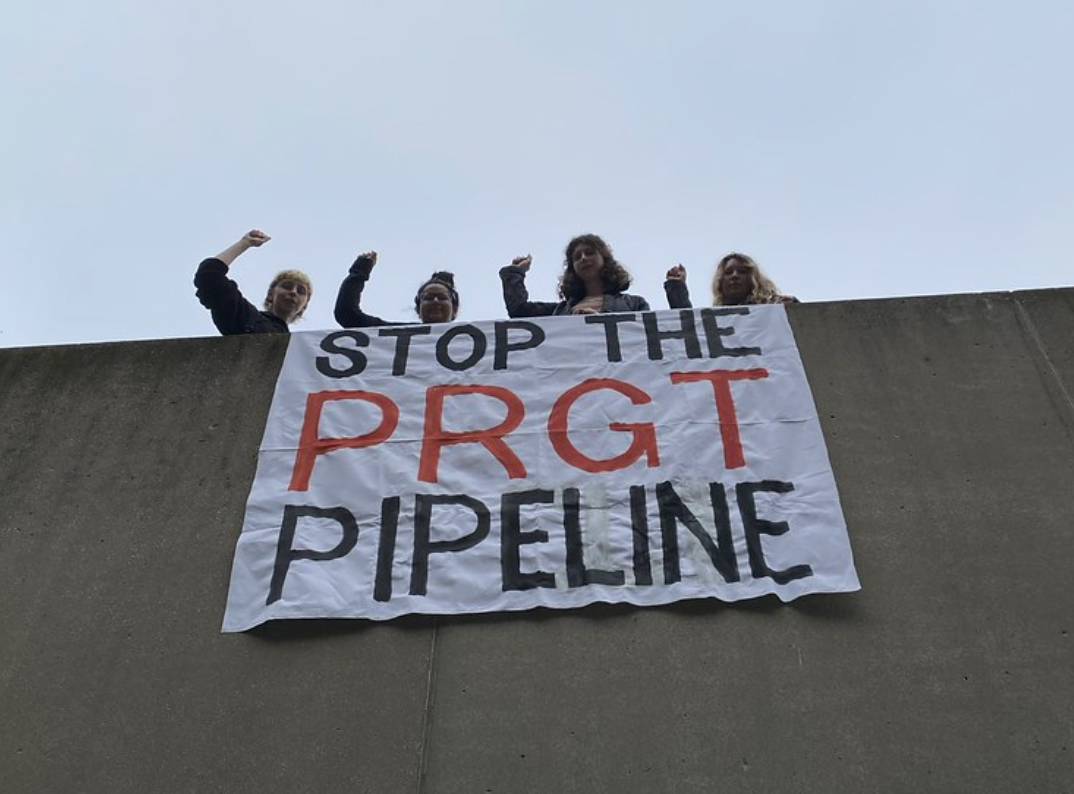
That’s long before Canada can build a new pipeline to the coast, no matter how much taxpayer money the government spends. We already paid $34 billion for the Trans Mountain line, and it doesn’t run full.
No private sector company has proposed a new oil pipeline to the West Coast since 2013. So why are Canadian politicians so obsessed with it?
If nothing else, let’s hope Carney’s visit to China helps him understand how quickly energy markets are changing, outside the American sphere of influence.