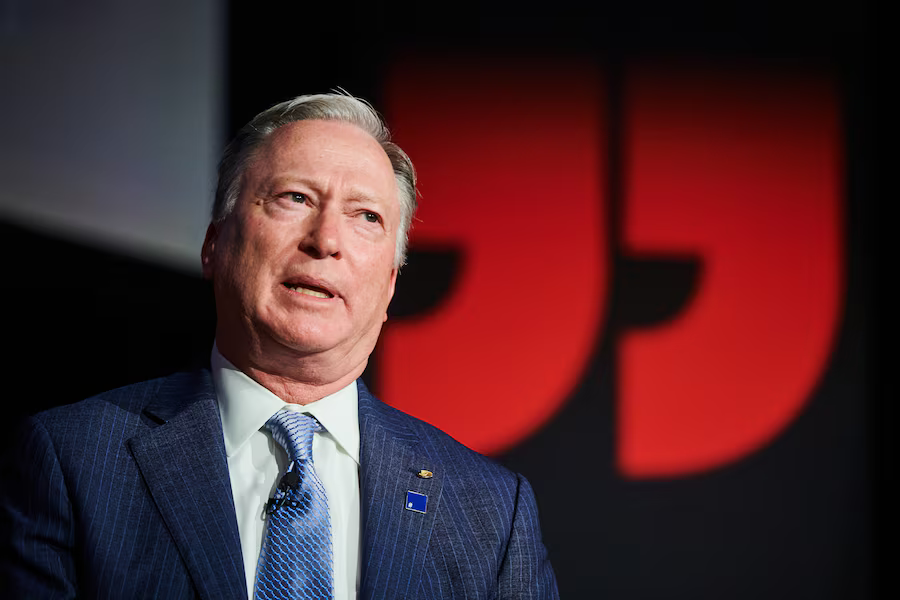
Yesterday at the inaugural Board of Peace meeting in Washington D.C., billionaire Marc Rowan gushed about the value he hopes to “unlock” from the bloody rubble of Gaza.
“The potential here is tremendous,” said the CEO of Apollo Global Management as his boss, Chairman-for-life Donald Trump, watched with a coterie of dictators and oligarchs.
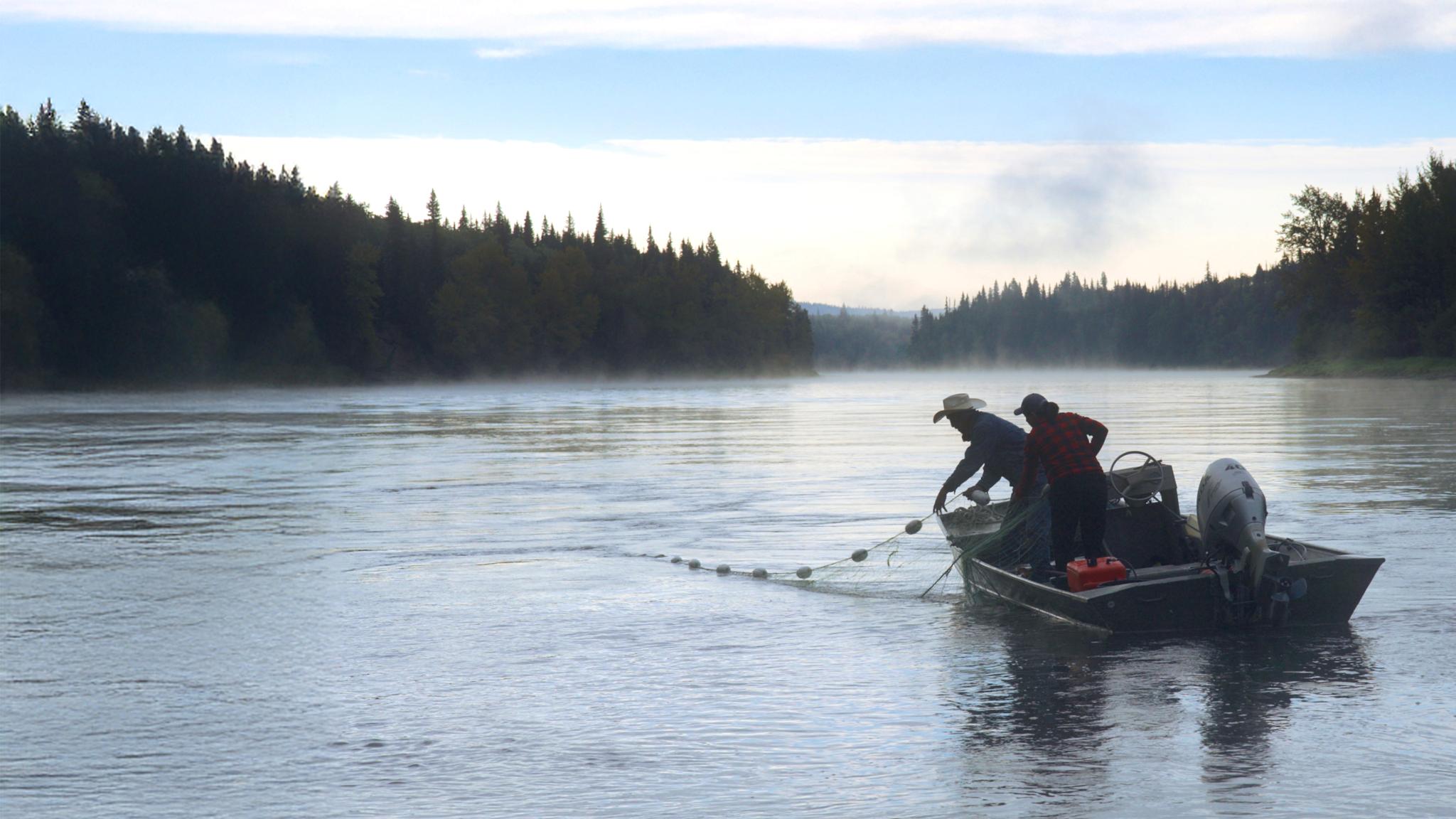
“The coastline alone, $50 billion dollars of value, on a conservative basis,” Rowan said. He also sees potential in Northern B.C., on the lands of the Ts’msyen, Nisga’a and Gitxsan people.
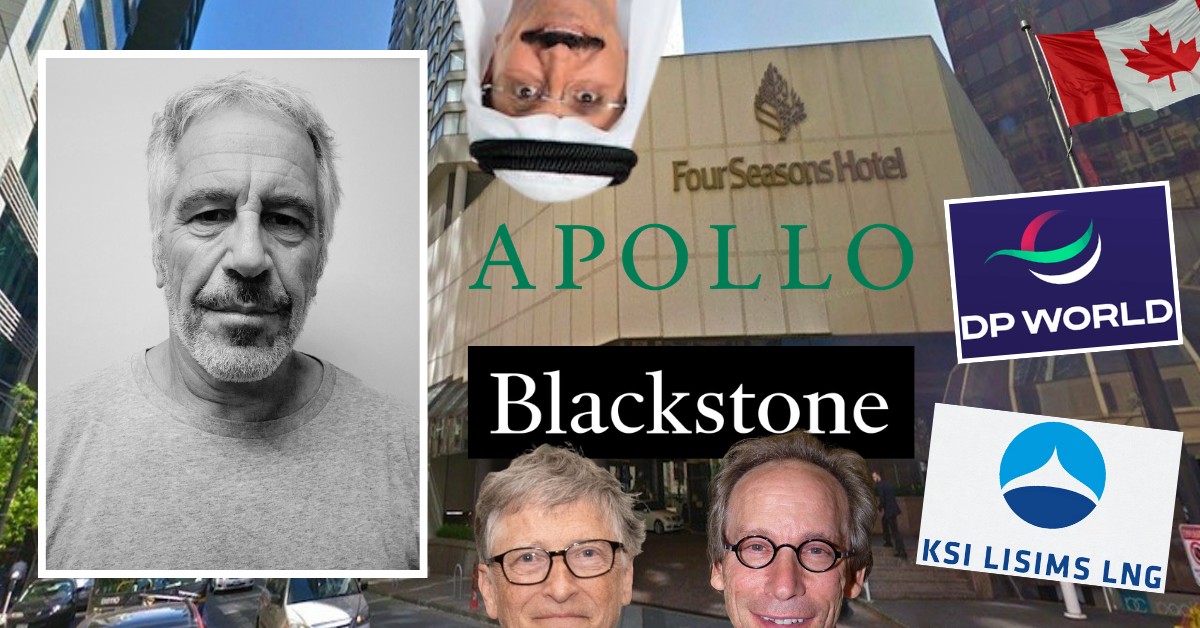
Rowan’s firm, Apollo, was the first major investor in the Ksi Lisims LNG terminal. Rowan and his co-founder Leon Black bought in back in 2018, funding the development of the project.
Rowan is promising to build 100,000 housing units in the city of Rafah, but only if the Palestinian resistance unilaterally disarms, and people submit to biometric surveillance and reeducation.
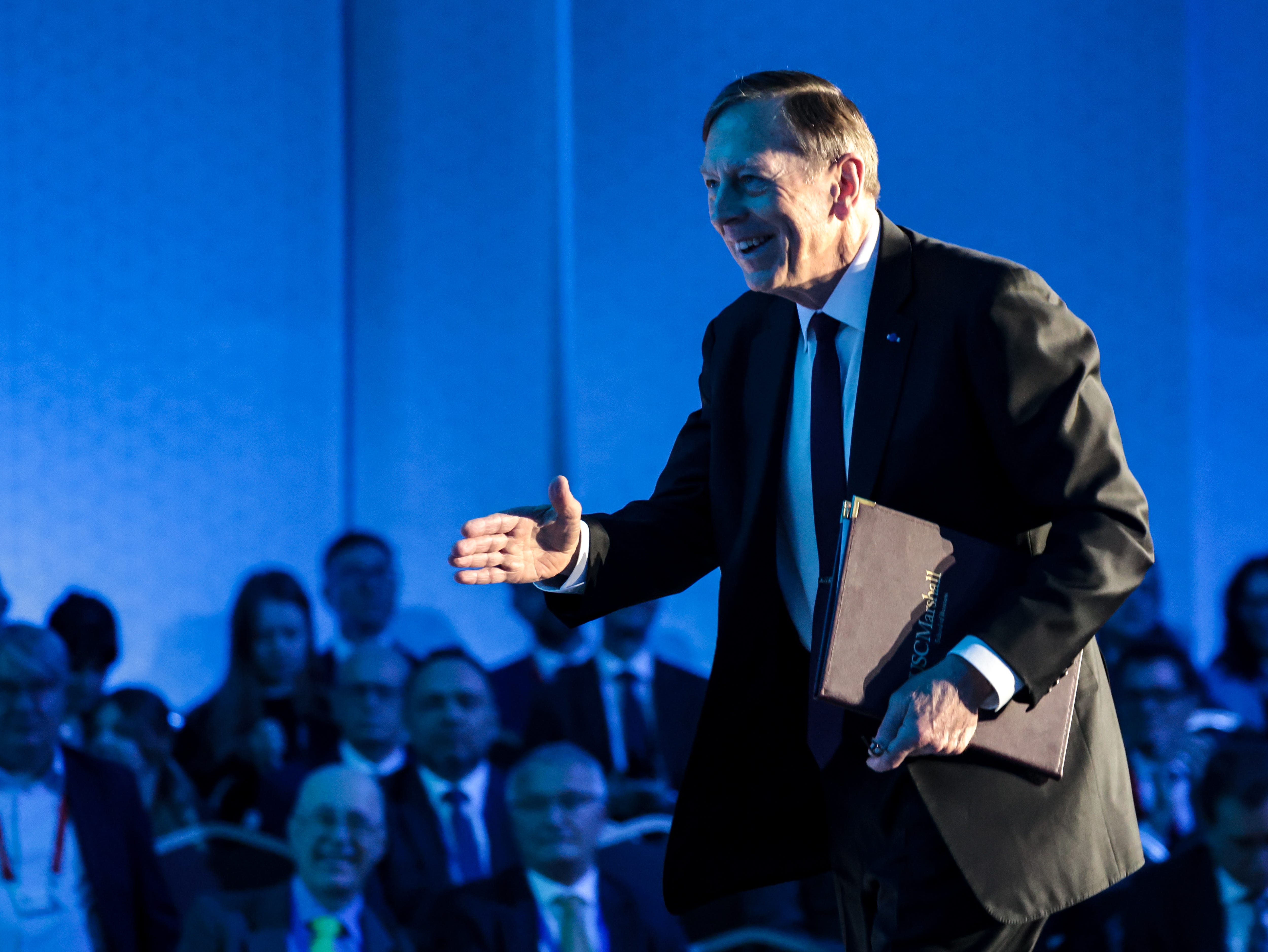
That part of the plan comes from former CIA director and counterinsurgency expert David Petraeus, who spent time last month briefing the Israeli officials designing the gated compound in Rafah.
“Trump’s plan for Gaza follows the tried-and-tested model of North American genocide, in which survivors are confined to Indigenous reservations,” said Palestinian doctor Ghassan Abu Sitta.
Petraeus also works as the head of intelligence for private equity firm KKR, which manages a majority stake in the Coastal GasLink pipeline, built on the lands of the Wet’suwet’en people.
Hereditary chiefs and land defenders who resisted the American-backed project were subjected to counterinsurgency tactics mirroring a manual written for the U.S military by David Petraeus.
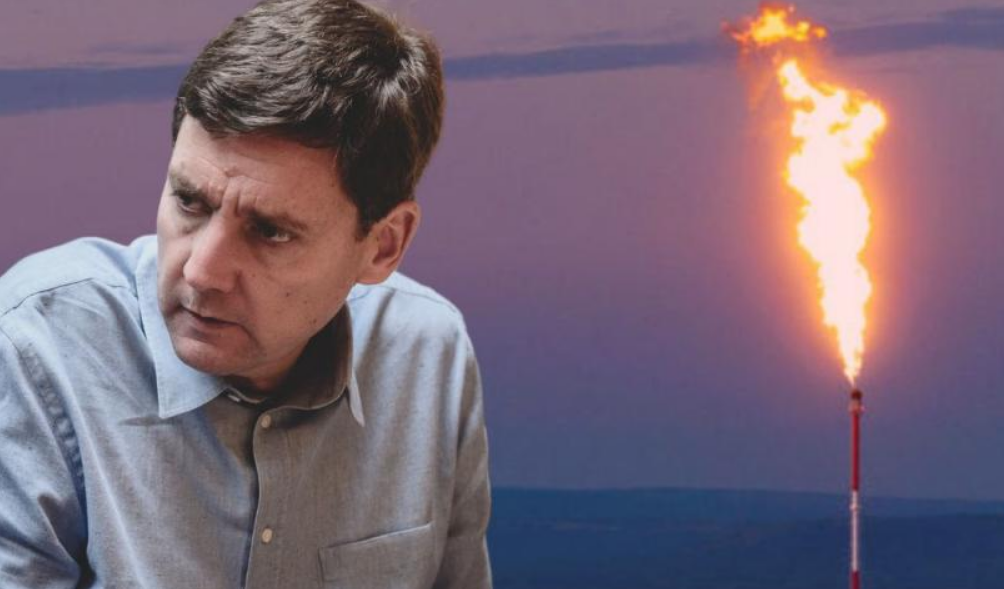
The Canadian government has decided not to join the “Board of Peace”. But Mark Carney has said he’s prepared to spend billions of Canadian tax dollars on Marc Rowan’s Ksi Lisims LNG terminal.
And private security firms are already at work on Gitxsan territory, gathering intelligence on critics of the American-owned gas project, and planning for Indigenous resistance.