When the economy slows down, costs go up and voters start looking for change, politicians in Canada often fall back on two options: blame the immigrants, or blame Indigenous people.
It’s a tradition that goes back more than a hundred years, and it’s happening again, on both fronts.
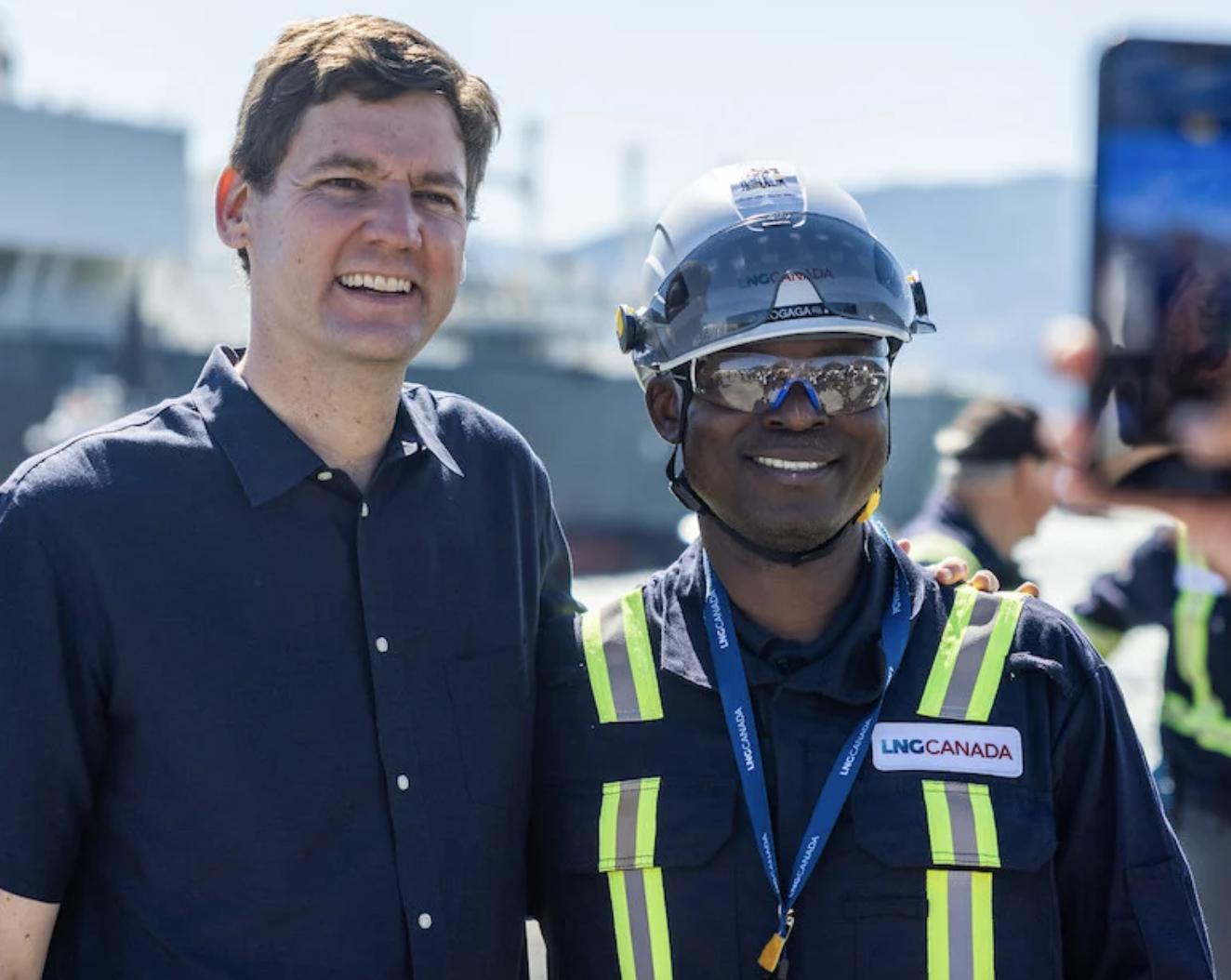
Here in B.C., Premier David Eby is clearly frustrated by recent court decisions requiring the province to follow its own laws when it comes to resource extraction on Indigenous lands. And he’s worried that future lawsuits could scare off foreign investors.
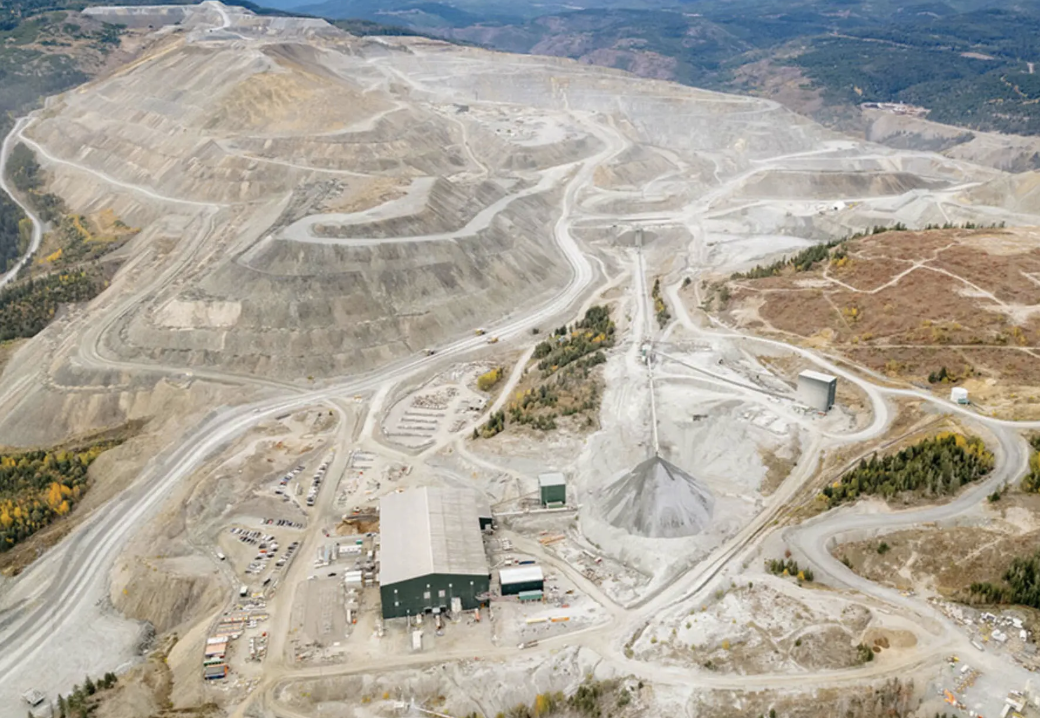
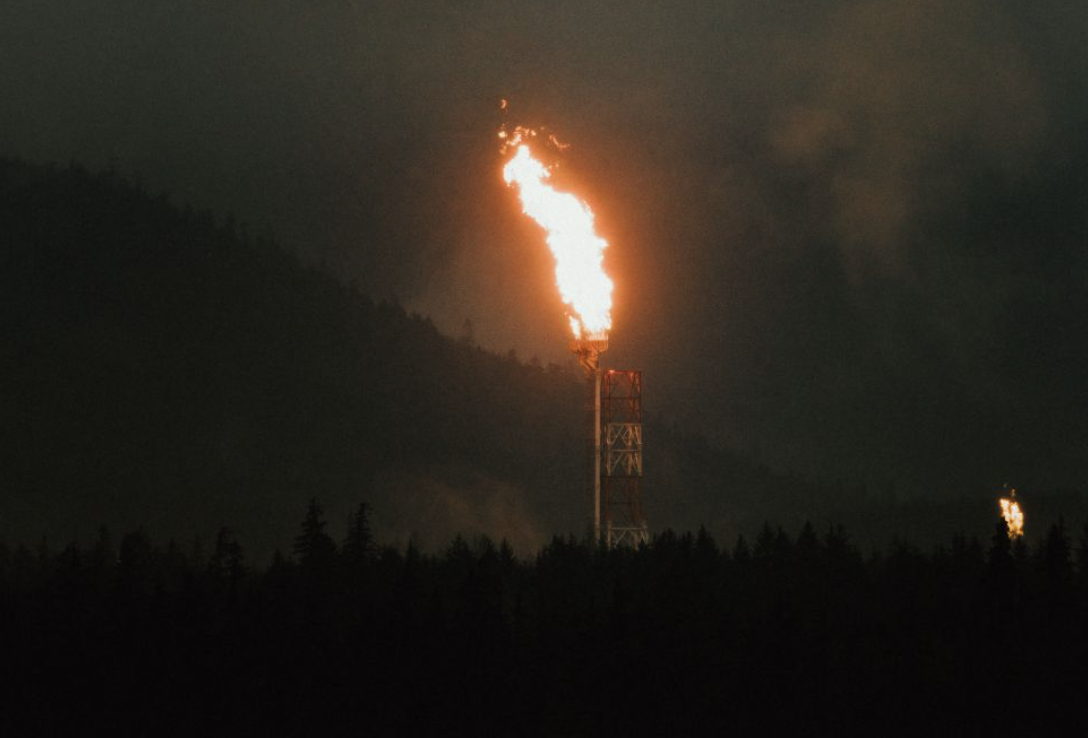
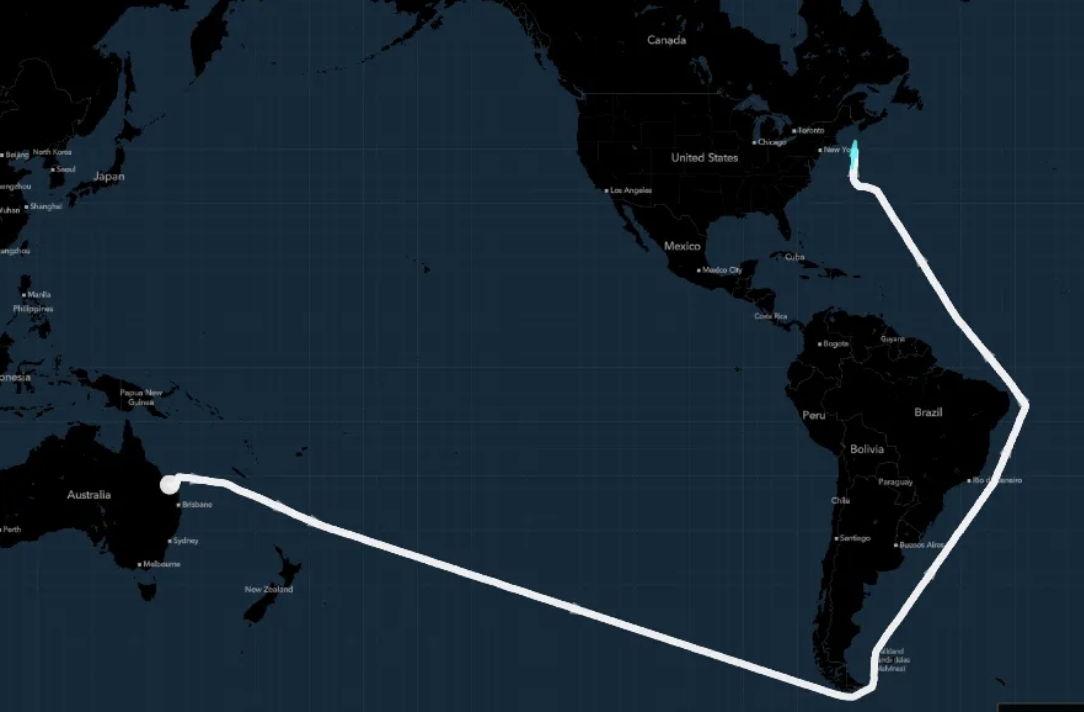
Eby believes we can dig our way out of record deficits with more open-pit mines, more fracking, more clearcuts – in other words, more raw resources sailing overseas, along with the profits.
The problem is that in a world of finite resources, companies can only pollute so many rivers and aquifers, strip hillsides bare and pump poison into the air before local ecosystems collapse.
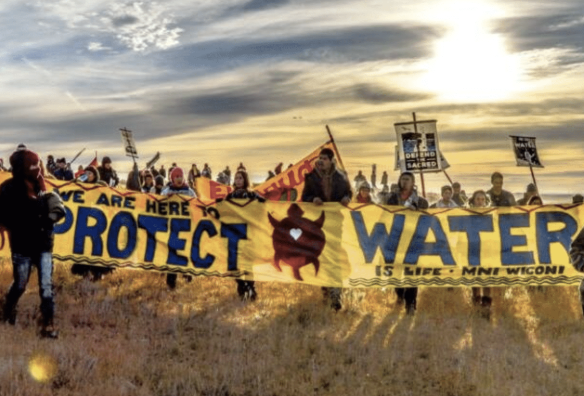
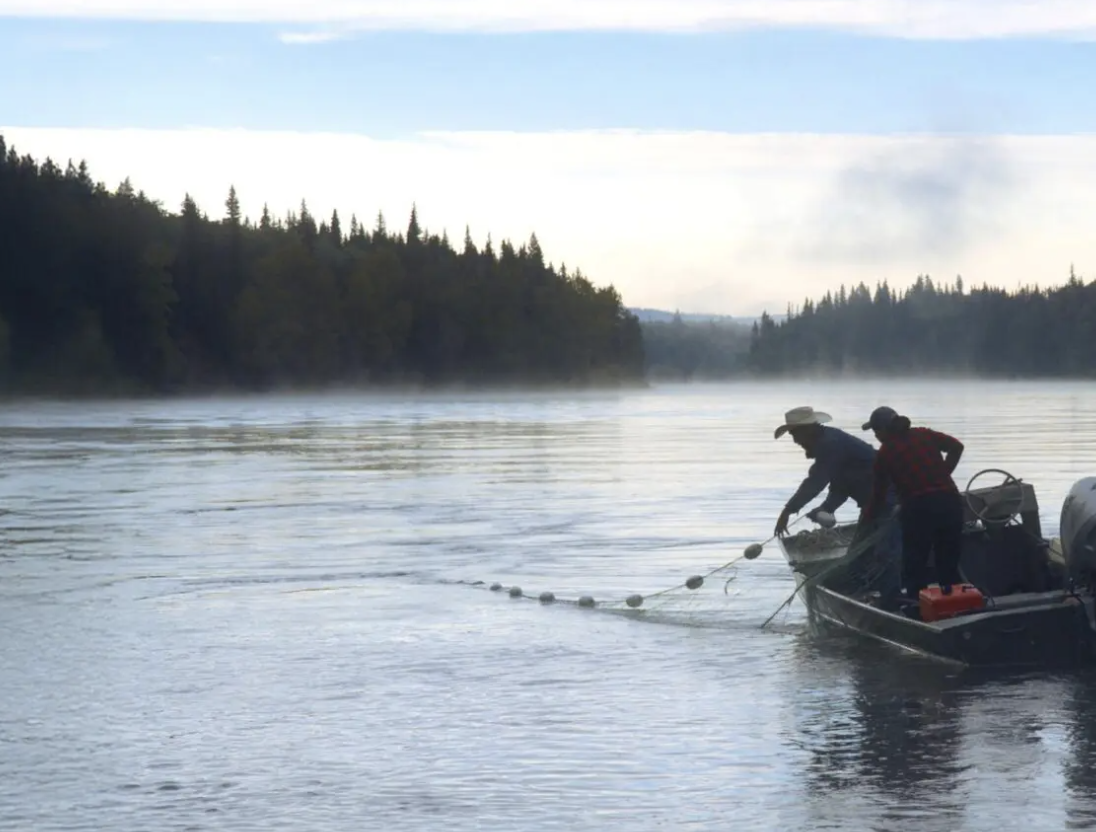
For communities that are tied to a specific place, and carry a responsibility to plan generations ahead, sometimes it’s necessary to say: this is not fair to the people who live here.
If it goes to court, Indigenous communities often win – because like all of us, they have fundamental human rights. And because, as governments, they hold decision making power.
Conservatives have pounced on these decisions to stoke panic among property owners and businesses: Native people are coming for your home, nothing will ever get built again, etc.
Eby doesn’t denounce this fearmongering or misinformation. Rather, he’s using it as political cover to try to deny First Nations access to the courts, because they keep winning.
That’s why Eby is planning to amend DRIPA, the province’s law recognizing Indigenous rights, which the legislature adopted unanimously just six years ago. He’s trying to stop the lawsuits.
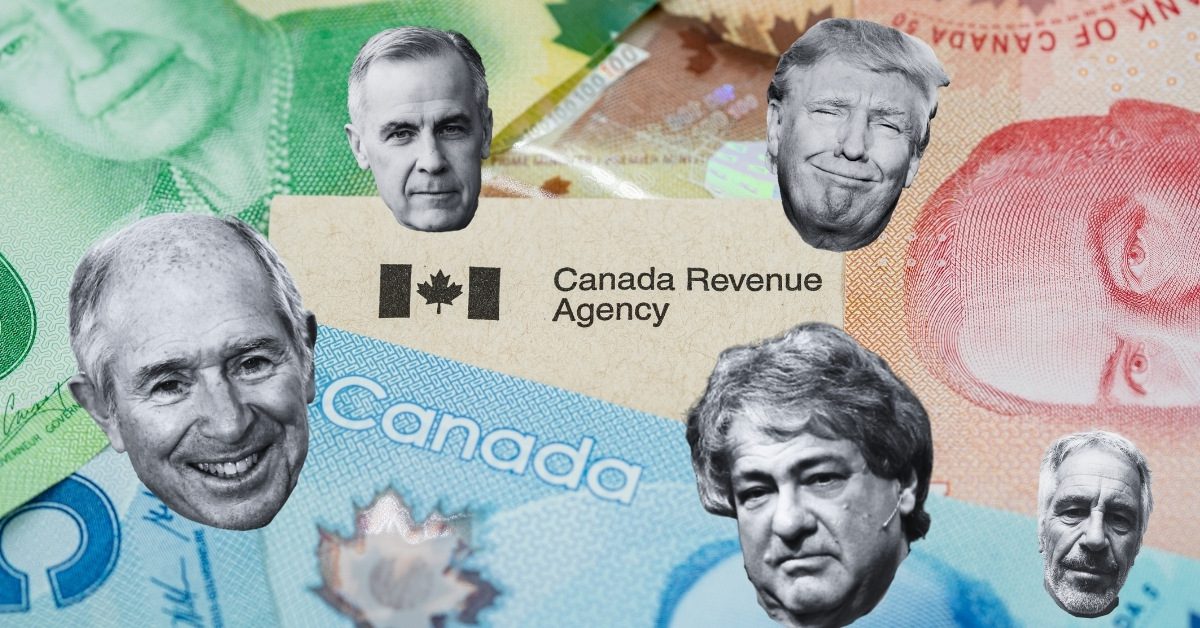
If he succeeds, it will concentrate even more power in the hands of the Premier – allowing billionaires to take what they want from us, with even fewer tools to hold them accountable.