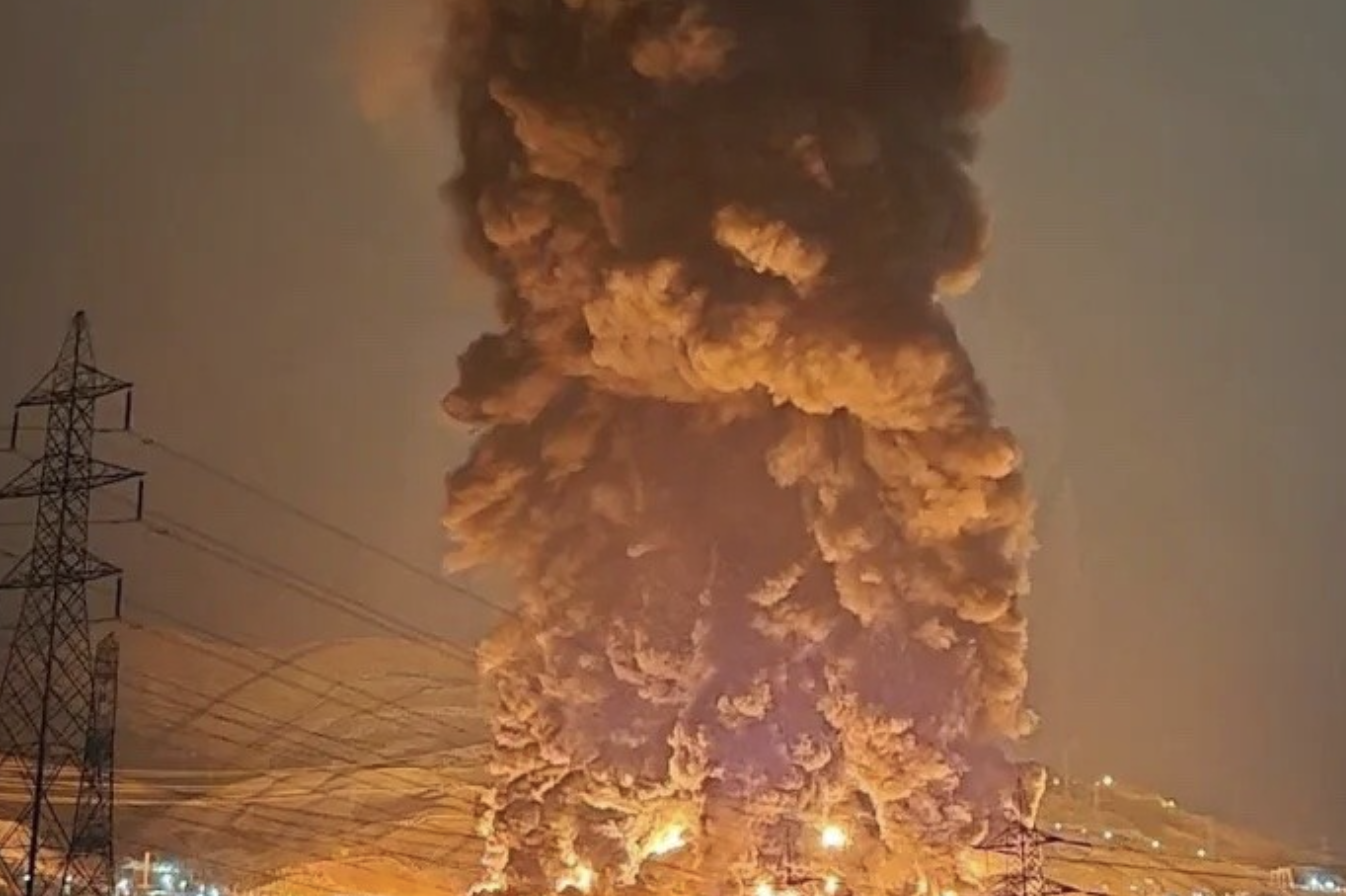
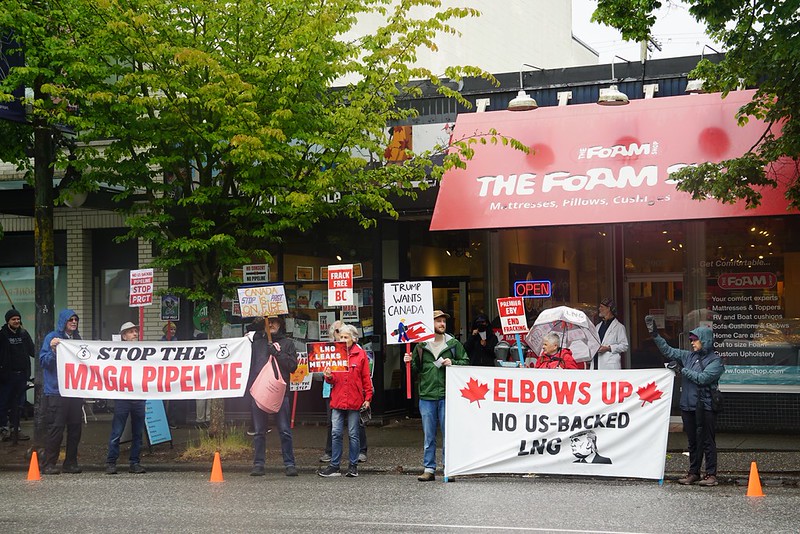
The LNG Canada terminal is ramping up production, according to shipping data and text message alerts warning Kitimat residents about increased flaring.
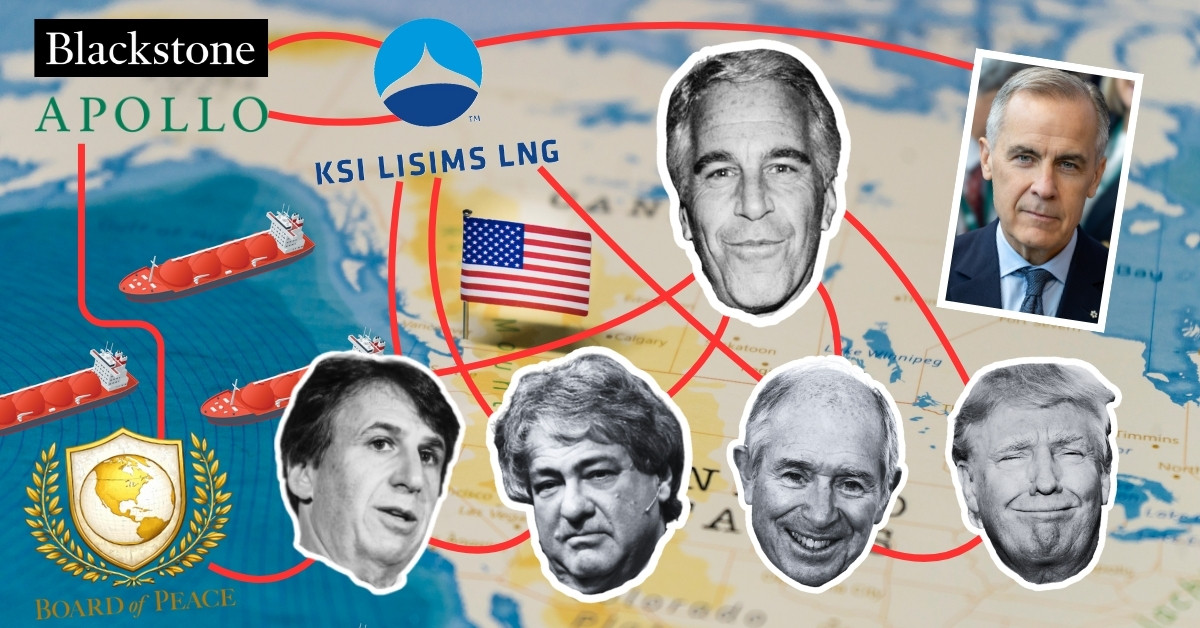
The foreign companies that own the gas plant are rushing to cash in on high fossil fuel prices, driven by the widening war in the Middle East.
LNG production in Qatar, the world’s second largest exporter, is shut down. And the Strait of Hormuz remains effectively closed, choking off 20 per cent of global tanker traffic.
This is generating billions in windfall profits for companies with terminals outside the range of Iranian missiles – especially in the U.S., the world’s biggest LNG producer.
Here in Canada, our politicians can barely contain their excitement. This is our chance to build more oil pipelines and LNG terminals, insist both Conservatives and Liberals.
But there’s a problem. Every fossil fuel price shock forces developing countries to reduce their dependence on foreign oil and gas, which they pay for in American dollars.
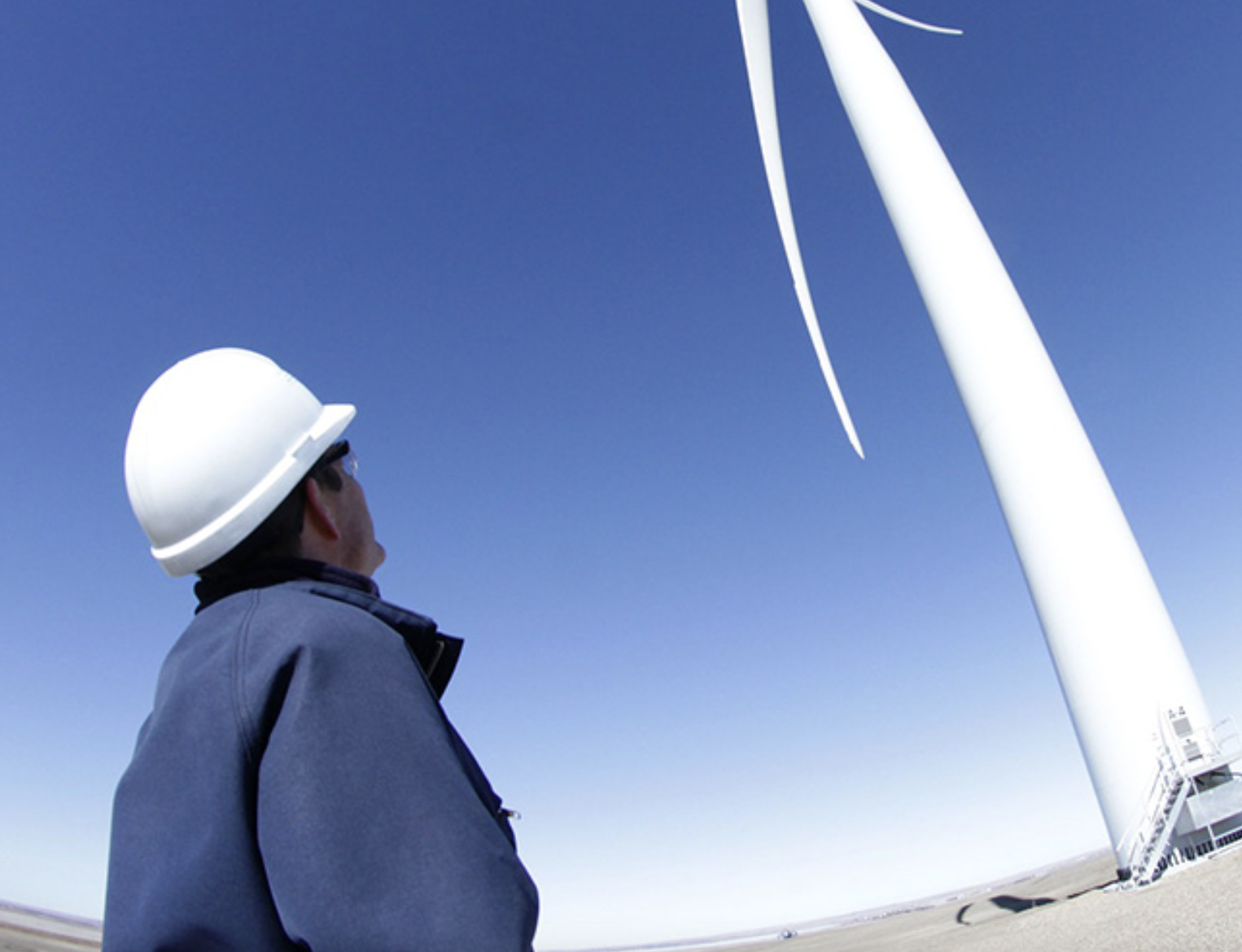
And now, even more than four years ago when Russia invaded Ukraine, solar, wind and electric technology is already replacing expensive fossil fuel imports in countries like Pakistan.
Those countries are supposed to be our customers. Will demand for crude oil and LNG still be growing in four more years when these proposed pipelines are nearing completion?
Is it wise for Canada to spend billions of public dollars subsidizing more foreign-owned export terminals, at the expense of housing, transit and renewable energy infrastructure?
And given how things are unfolding in Iran, should we really be tying the future of our economy to the actions of the American war machine?