There is a high correlation between a nation’s weakening economy and anti-immigrant rhetoric: when resources become scarce, the first people targeted are the ones perceived as “not from here”.
Polling shows that anti-immigration sentiments in Canada are up. If we’re not careful, we’ll be heading in the same direction as our neighbours to the south.
Immigrants do not cause the prices of housing or groceries to go up in Canada. In fact, research consistently links immigration to a decrease in violence and property crime rates, employment gaps and economic stress.
But for the people who profit off debt, fossil fuels and land development, or politicians who have been cutting social services and investments into public housing, they are a welcome scapegoat. Not only do people in power dodge accountability as the true sources making life expensive, they can even profit from it.
The federal government appears to be using this moment to meet their own interests, (whatever those may be), pushing what critics are calling an anti-immigrant bill. C-12 puts at risk vulnerable people recently arrived in Canada, and gives the immigration minister added power to cancel applications based on vague "public interest" grounds.
Who benefits from harsh immigration policies and enforcement? Who benefits from people fighting each other over scarce resources? Who’s truly making life unaffordable in the first place? And who is spreading misinformation about immigration?
Government policies can be a mirror of society. They can also lay the groundwork for shifts in power and accountability. Like establishing a Canadian version of ICE – a government-mandated police force built to fulfill the whims of whoever’s in charge, with little to no civilian oversight.
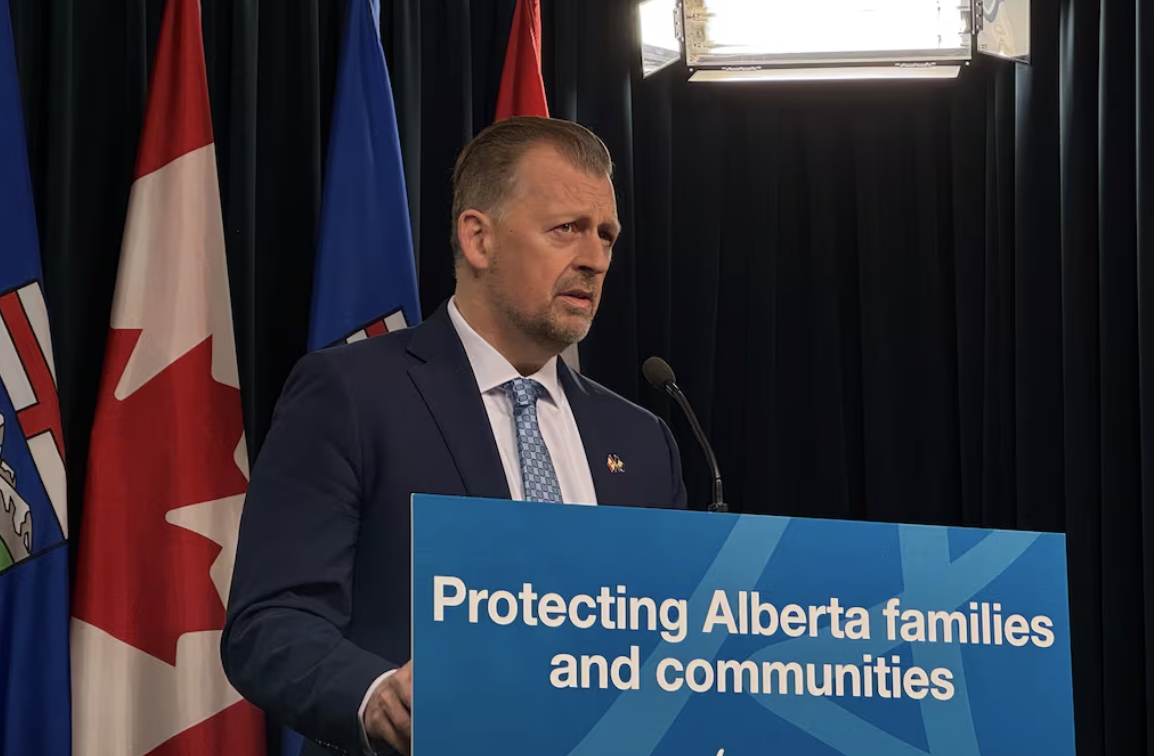
If you’re thinking “not in Canada”, the Alberta government has tabled a bill that looks an awful lot like the brutal police force currently terrorizing people in the United States.
This proposed new police force would answer directly to the provincial government, could operate in any Alberta municipality without local consent, could make warrantless arrests and would use tip-based surveillance of private properties. But don’t worry, there’s no plan to task them with immigration control... yet.