Your place for
news and action
April 10, 2026
 

Crude oil and LNG prices dropped this week on news that Iran and the United States had agreed to a temporary ceasefire. After five weeks of war, Wall Street is hoping for a return to business as usual.


But Iran now controls the passage of tankers in and out of the Persian Gulf. Its Houthi allies in Yemen have similar leverage in the Red Sea. They could squeeze these twin arteries of the global economy at any time.


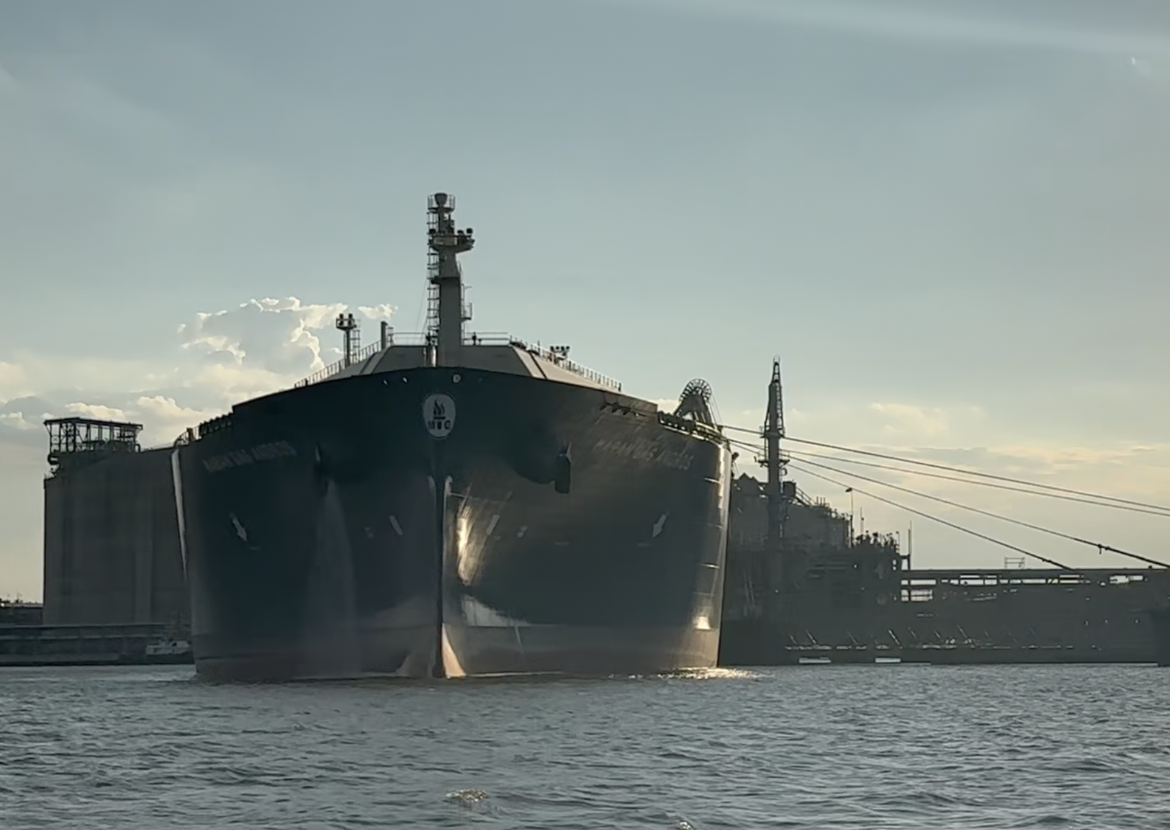
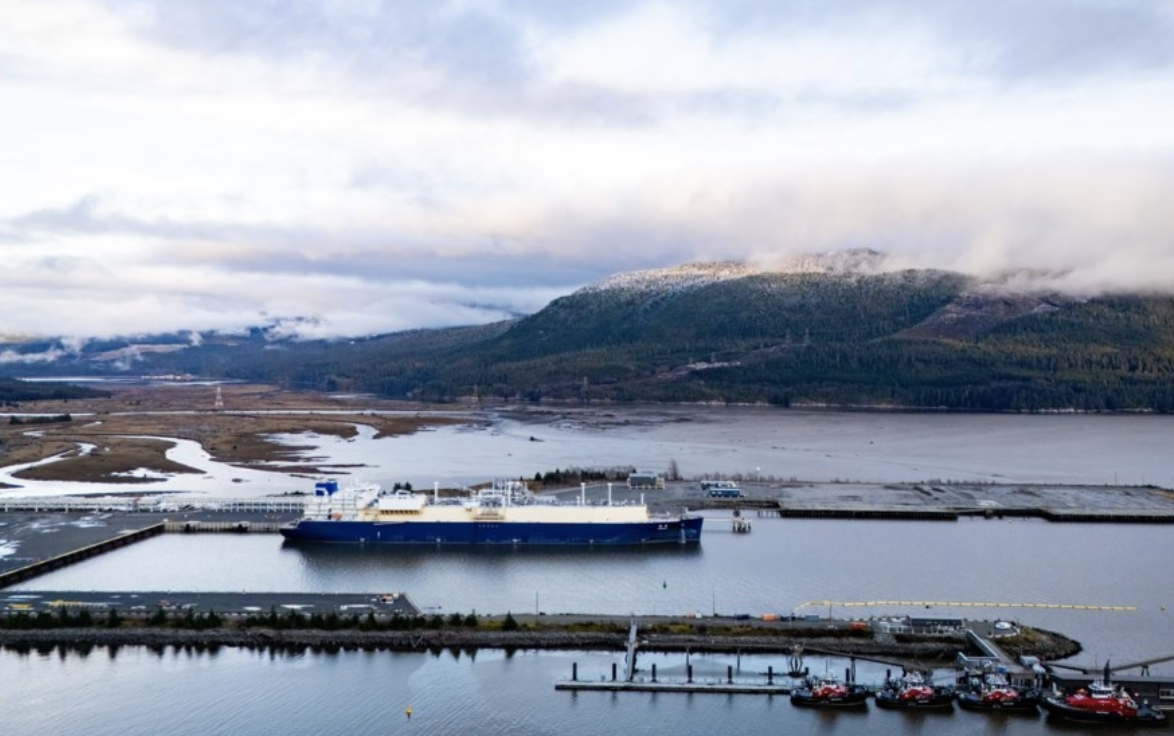
What does this mean for the American billionaires trying to build new LNG infrastructure on the West Coast of B.C.?


They’re pitching Canada as a “secure” source of gas for Asian power plants, protected by U.S. air power in Alaska. But despite the shortage of LNG from the Middle East, nobody is biting.


The American-owned Ksi Lisims LNG proposal has failed to sign up any new customers in the last year. Now, the price spike caused by the war has Asian countries reevaluating their dependence on LNG.


Why buy expensive shipments of fuel every month from the Americans, when you can buy solar panels or wind turbines from China, and harvest electricity for free?


That is the calculus leaders are now making in South Korea, Vietnam, Pakistan, India and beyond. And without long-term contracts from these customers, new LNG terminals can’t get construction loans from banks.


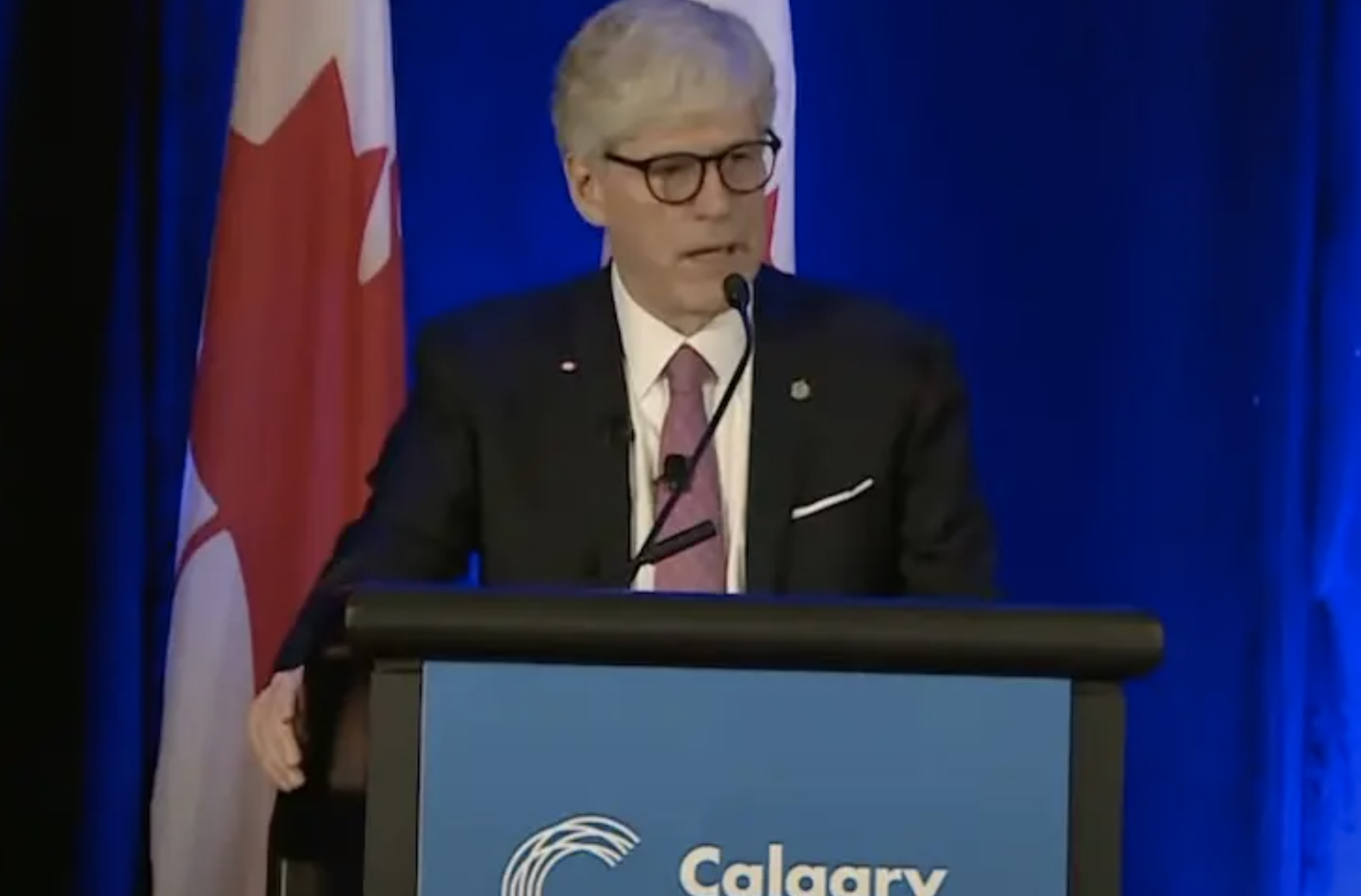
Enter the Canadian government. “We're excited to help America achieve energy dominance,” said minister Tim Hodgson, pledging to build 100 million tonnes of LNG export capacity.


The only way to “de-risk” these foreign-owned LNG projects is by propping them up with taxpayer money. So that’s what our politicians are preparing to do.


We’ve got days, maybe weeks to convince them to rethink this ruinous plan.

 
NEWS
Stories we’re following

10 years after the U.S. lifted its gas export ban and built a global LNG empire, the industry has been overtaken by better, cheaper technology for electricity generation. - Powering the Planet

Giddy over high fossil fuel prices, Canadian politicians are trying to lock in foreign investment for gas export projects. But long-term LNG demand is far from certain. - The Energy Mix

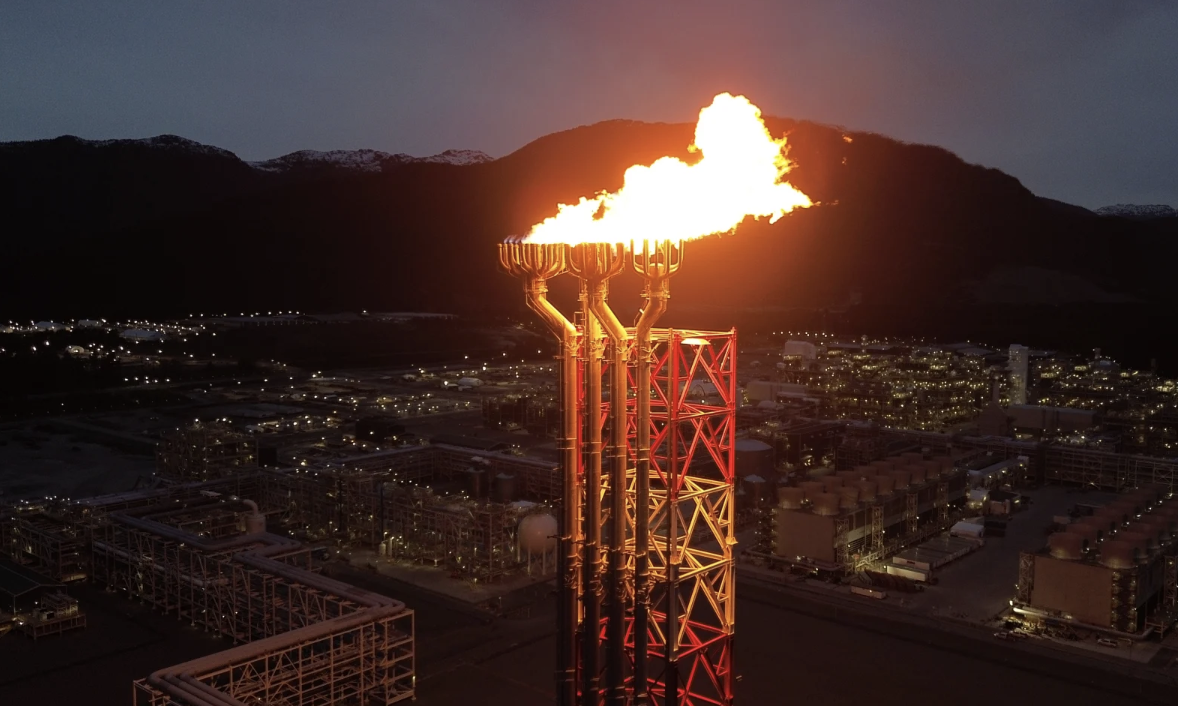
Shell’s LNG terminal in Kitimat has been flaring 45 times more gas than its permits allow, for months on end, with serious health impacts for nearby residents.  - Times Colonist

B.C.’s oil and gas regulator just lowered the fees the companies they oversee are supposed to pay, which means even fewer resources for inspections of pipelines and LNG facilities. - National Observer

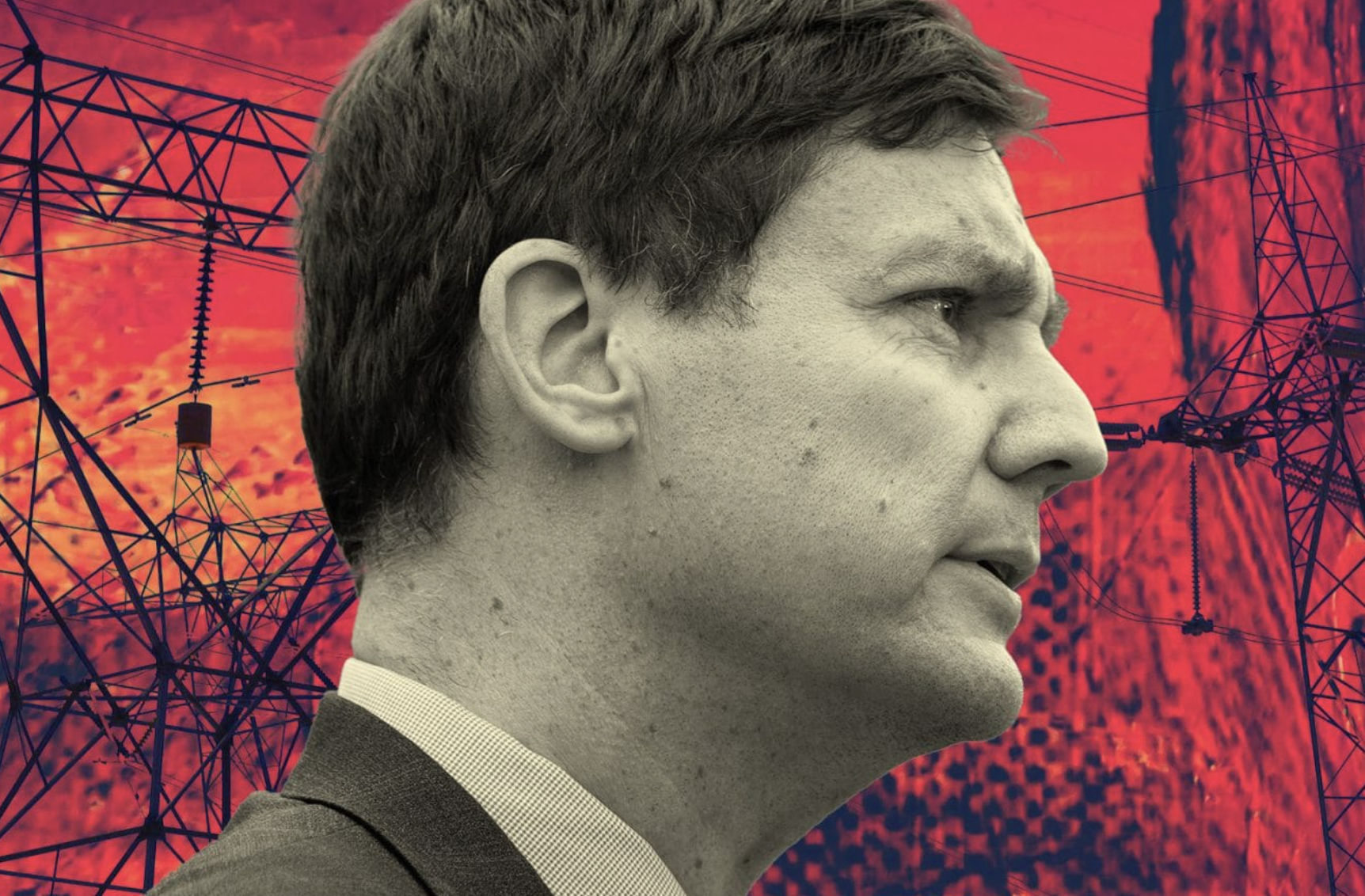
Tragedy in Tumbler Ridge forced B.C. Premier David Eby to ditch his planned pre-budget speech. But the transcript shows his government’s top priority. Can you guess? - The Narwhal

Premier Eby has betrayed First Nations and added fuel to a growing backlash against Indigenous rights. Former Chief of Staff Geoff Meggs warns it will cost the BC NDP. - Lotusland

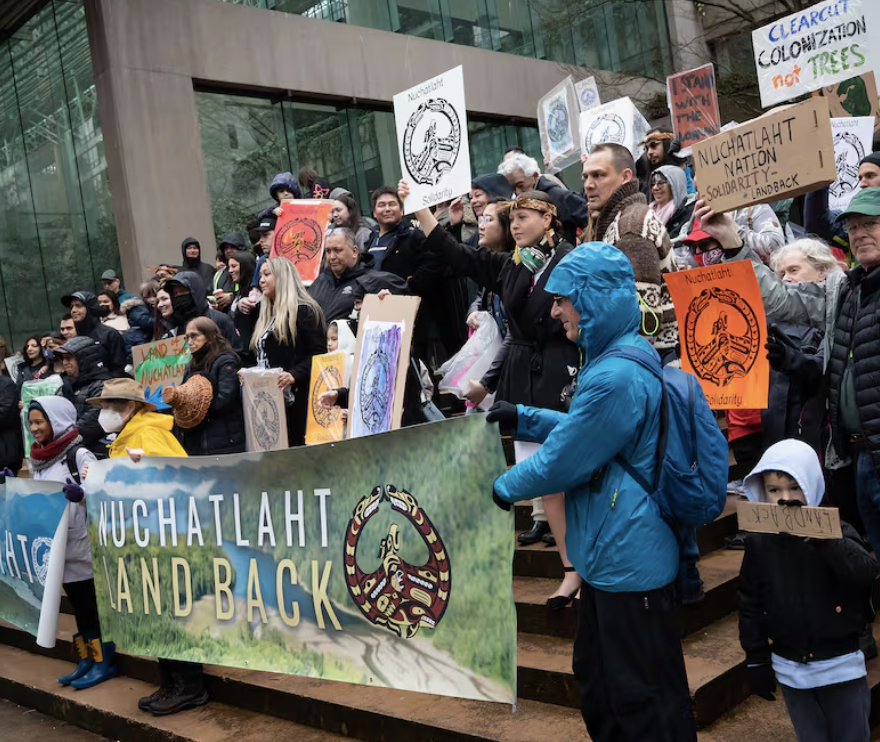
While politicians wrangle over the Declaration Act, the courts deliver another victory for Indigenous rights, this time on Nootka Island. - CBC News

A years-long investigation into abuses by the RCMP’s controversial pipeline police can’t be released, because the watchdog has no chairperson. The feds are in no hurry. - CBC News

Alberta separatists hit their petition threshold, paving the way for a referendum as soon as October. First Nations warn the U.S. could try to influence the vote. - The Guardian

 
If you like what you're reading but aren't subscribed, sign up now for Dogwood News!
Action

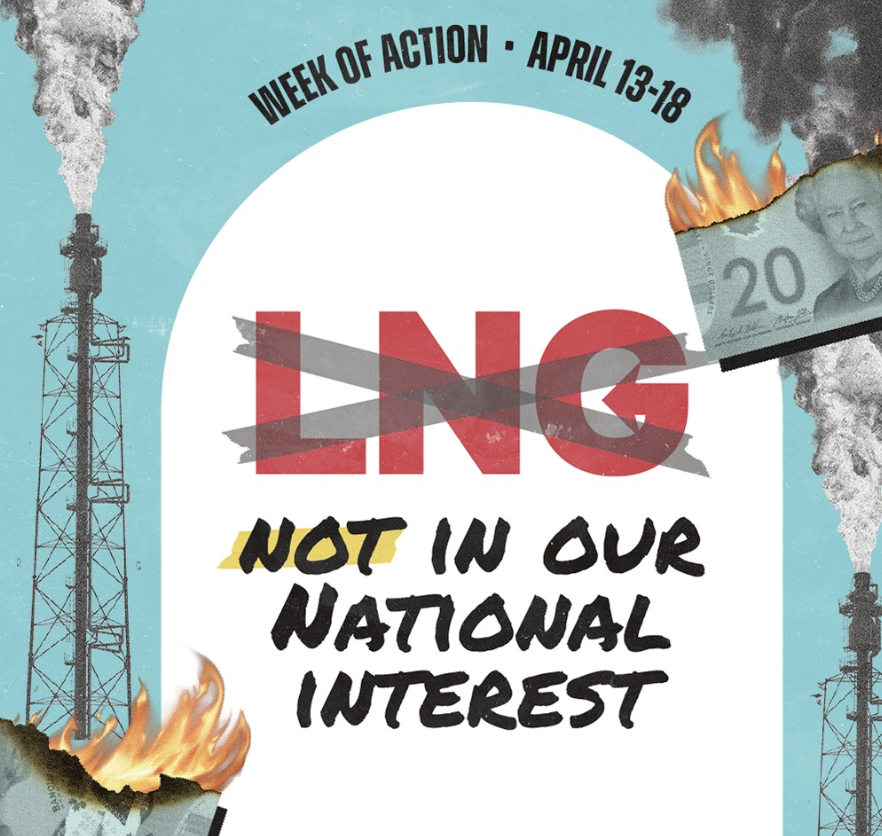
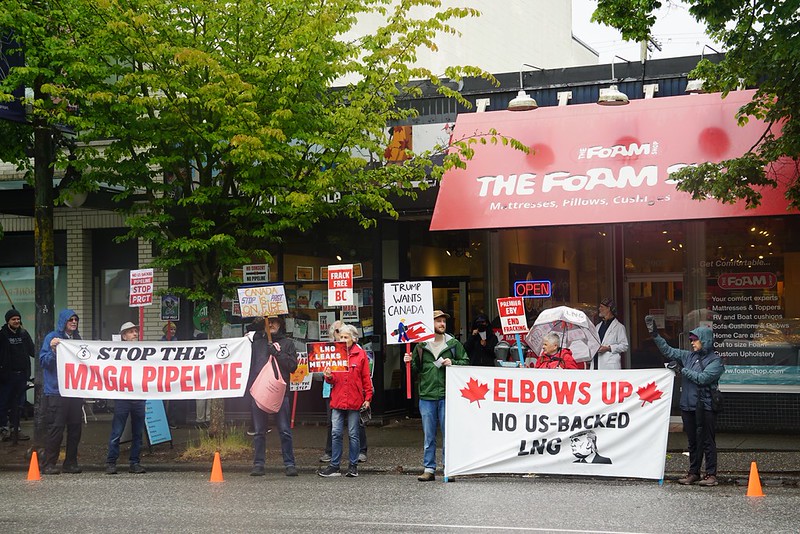
Stop federal loans for LNG

Groups in Vancouver, Victoria, Toronto, Ottawa and Montreal plan in-person actions next week. Join them, or put pressure on MPs using these digital tools.

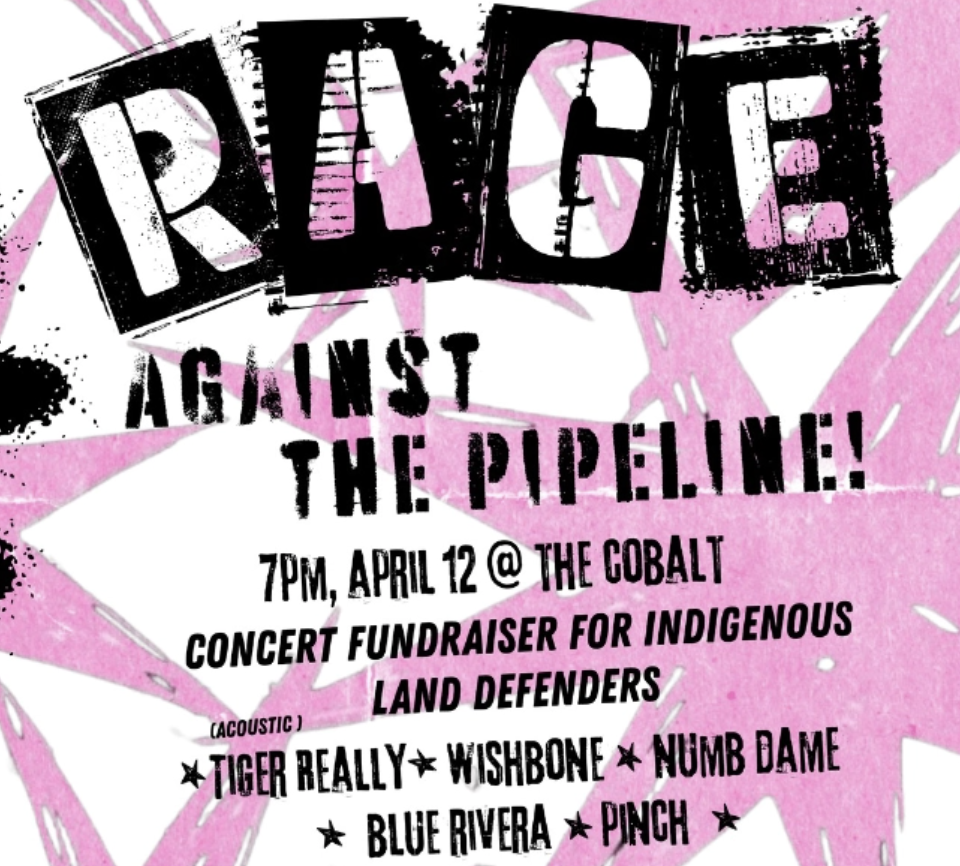
A punk band fundraiser for land defenders this weekend, an event with Bill McKibben, and a public talk on forest industry renewal. Get the details...

 
See previous editions of Dogwood News
© 2026 Dogwood

This e-mail was sent to {{lead.Email Address}}

Privacy Policy | Unsubscribe