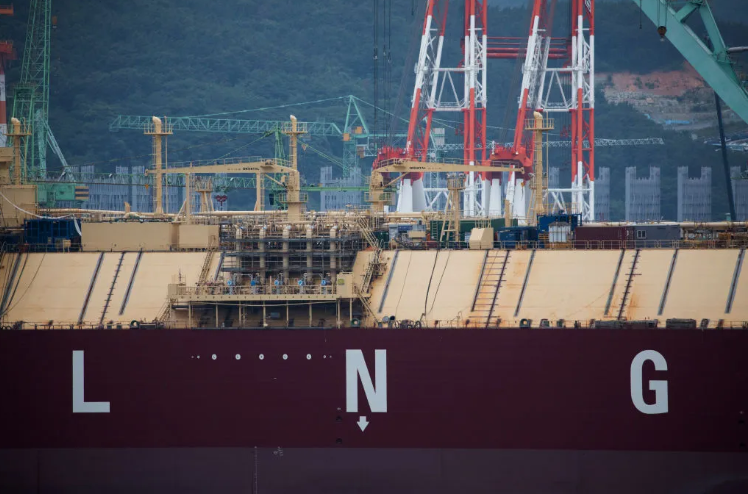
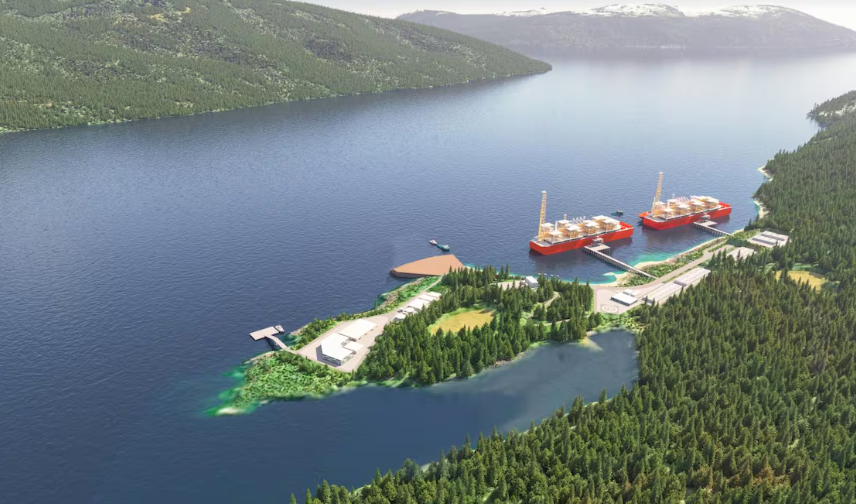
BC Hydro is planning the next 20 years of powering our province, and there are truckloads of electricity being set aside for LNG terminals, future AI data centres and mining operations.
The public utility knows industry expansion equals a reduced amount of power available for household customers like you and me. But they thought the fallout from that game of energy ‘Hungry Hippo’ was a ways off.
BC Hydro has been calling 2045 the year their supply will come up short. But with newly approved AI data centres and LNG terminals sucking up colossal amounts of power, they’re changing that warning to a year much sooner: 2030.
So what will they do to get ahead of this? One thing they’re planning is a one BILLION dollar PR campaign to get household consumers to use less power. But compared to the future demands of LNG terminals and AI data centres, household usage is a drop in the bucket.
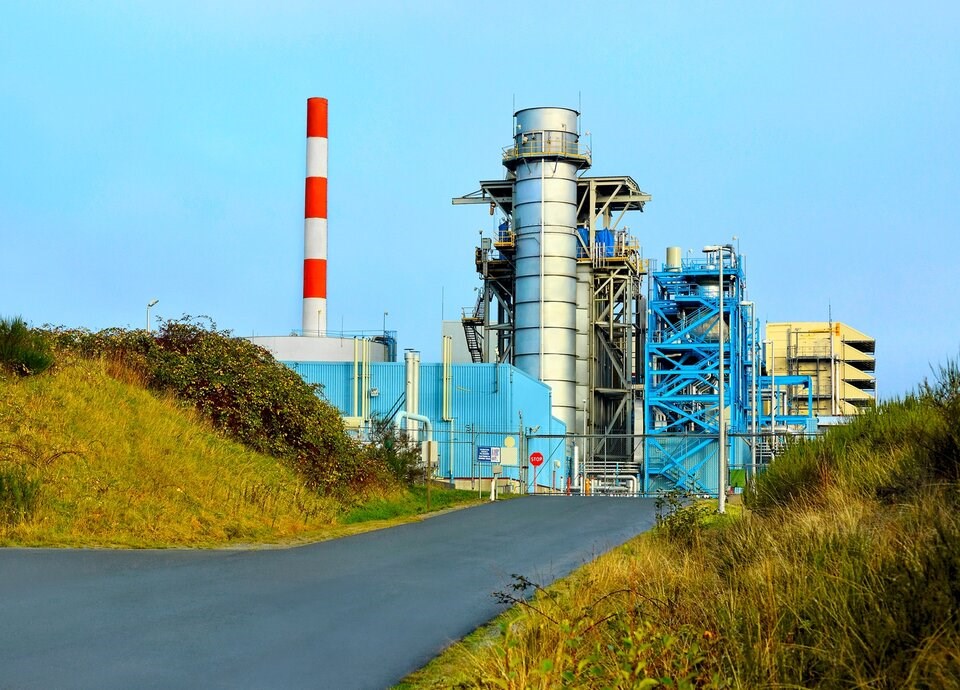
BC Hydro is also considering hanging on to their contracts with two gas-fired energy plants, agreements they’d previously planned to cancel as a way to reduce their impact on climate.
This potential power shortage in 2030 will cause some folks to panic, which makes it the perfect opportunity for self-serving gas lobbyists to promote the use of more fossil-generated power.
Oil and gas lobbyists have already been using this shortage as a call to action, most recently at a Vancouver city council meeting where Ken Sim and his fellow ABC councillors voted to roll back their ‘gas out of homes’ policy. ‘B.C. doesn’t have enough electricity for EVs and heat pumps,” is what the fossil pushers at Resources Works and Energy Futures Institutes want people to believe.
The reality is B.C. is planning a build-out of a fracking industry we don’t have the hydro and wind power to support. The government expects regular BC Hydro customers to not only foot the bill to power these dirty industrial projects, but also to cut back on our own energy use to make it happen. And BC Hydro is going to use polluting power sources to help get the job done, too.
With shortages on the horizon, we can’t help but wonder: Will consumers washing their laundry on ‘cold’ really solve the problem? Or… should cities and the province reconsider plans to give massive amounts of our electricity to foreign-owned fracking operations and data centres?