The website for “Kanata Clean Power Corp” looks like somebody opened up an AI chatbot and typed “make me a fossil fuel company that Liberal cabinet ministers will love”.
It’s got it all: a floating LNG terminal with an attached data centre, a former elected chief-turned oilfield entrepreneur, and politically connected “co-founders” hoping to cash in on a gold rush.
There’s Stockwell Day, former Canadian Alliance leader and Conservative MP. And Mark Marissen: Liberal lobbyist, failed Vancouver mayoral candidate and ex-husband to Christy Clark.
Day and Marissen were the guys behind Pacific Future Energy, a similarly fanciful pitch for a “clean, green” bitumen refinery on the B.C. coast that went precisely nowhere.
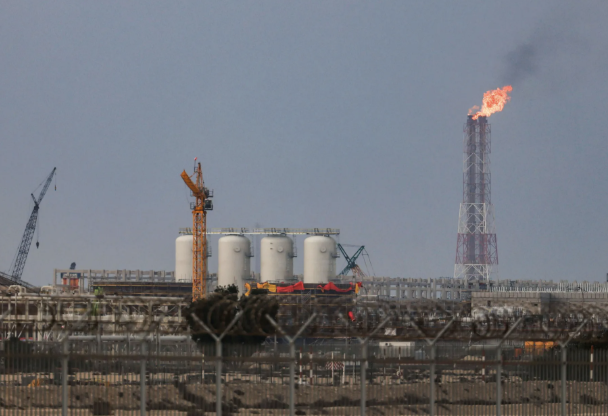
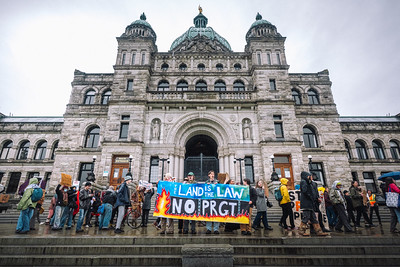
Now they’re back, proposing a cluster of projects in Prince Rupert that would presumably feed off the PRGT gas pipeline, including another LNG terminal the same size as Ksi Lisims.
Not so long ago, LNG development was being driven by big oil companies with global portfolios, based on real and growing demand from China, Japan and Korea. Those days are over.
Now it’s a bunch of startups and shell companies, with non-binding gas orders from supportive governments, trying to cobble together enough taxpayer loans to keep the music going.
In other words, we are in the late stages of a financial bubble.
Enter Hanwha Ocean (formerly Daewoo), one of Korea’s big three shipbuilding conglomerates, which is competing with the Germans for a massive submarine contract from Canada.
They read the news. They know the Carney government is desperate to catch the tail end of the LNG wave. And they know the Germans are dangling gas purchase deals for Ksi Lisims LNG.
So Hanwha upped the ante this week, signing a non-binding MOU with the Kanata LNG project, prompting a wave of headlines about a whole new project for Ottawa to get excited about.
We’ll see if any of this moves forward, after the dust settles on the submarine deal. In the meantime, the re-opening of the Strait of Hormuz could be what pops the LNG bubble.
For the sake of our public finances, our electricity grid, clean air, fresh water and the ever-heating atmosphere, this methane madness can’t end soon enough.