The fake letter showed up on a family’s doorstep in Britannia Beach, warning the residents to leave their home and “remove all personal property, structures and improvements,” because the Squamish Nation was coming to take the land back.
The fraudulent document, which reads like it was generated by an AI chatbot, was signed with the name of Wilson Williams, chair of the Squamish Nation’s elected council. Williams quickly put out a statement calling it “100% false,” “blatantly damaging,” and a “deliberate provocation”.
The story made all the local newscasts, and spread quickly on social media. The First Nation reported the letter to police. A month later, it’s still a mystery who created the letter, and why. Was it a neighbourhood feud? A media hoax? Political dirty tricks? Foreign interference?
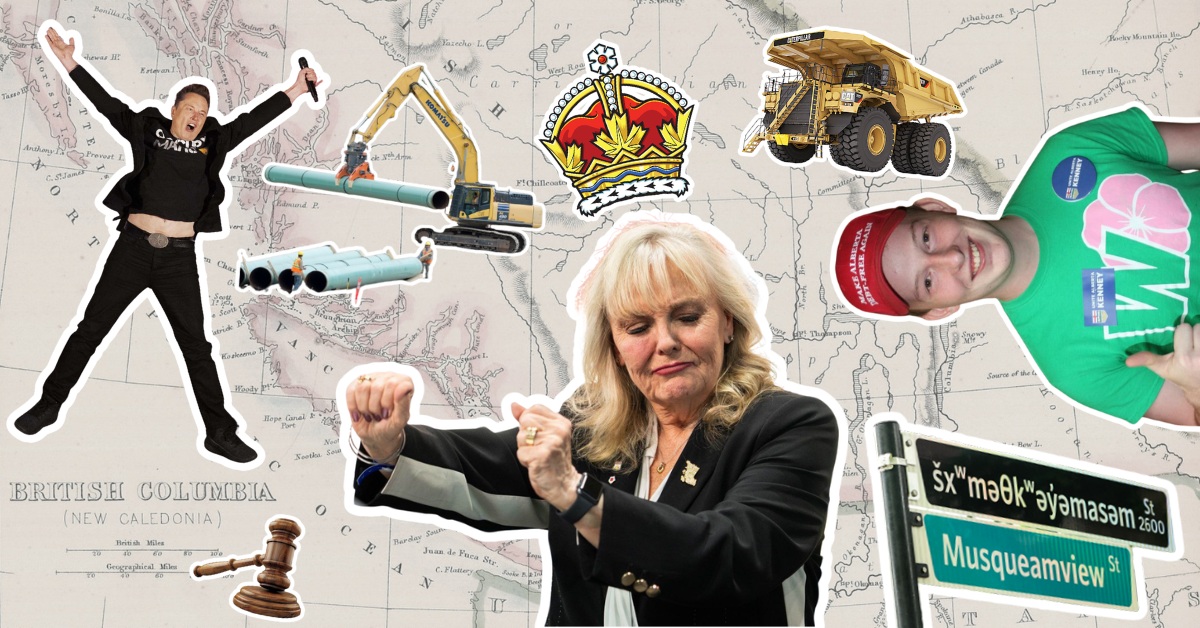
We don’t know. But whoever dropped off the letter must have known it would land like a spark in a tinderbox. Feelings of anti-Indigenous resentment have been cultivated for years by overlapping networks of activists in B.C. and beyond. Now, things are coming to a head.
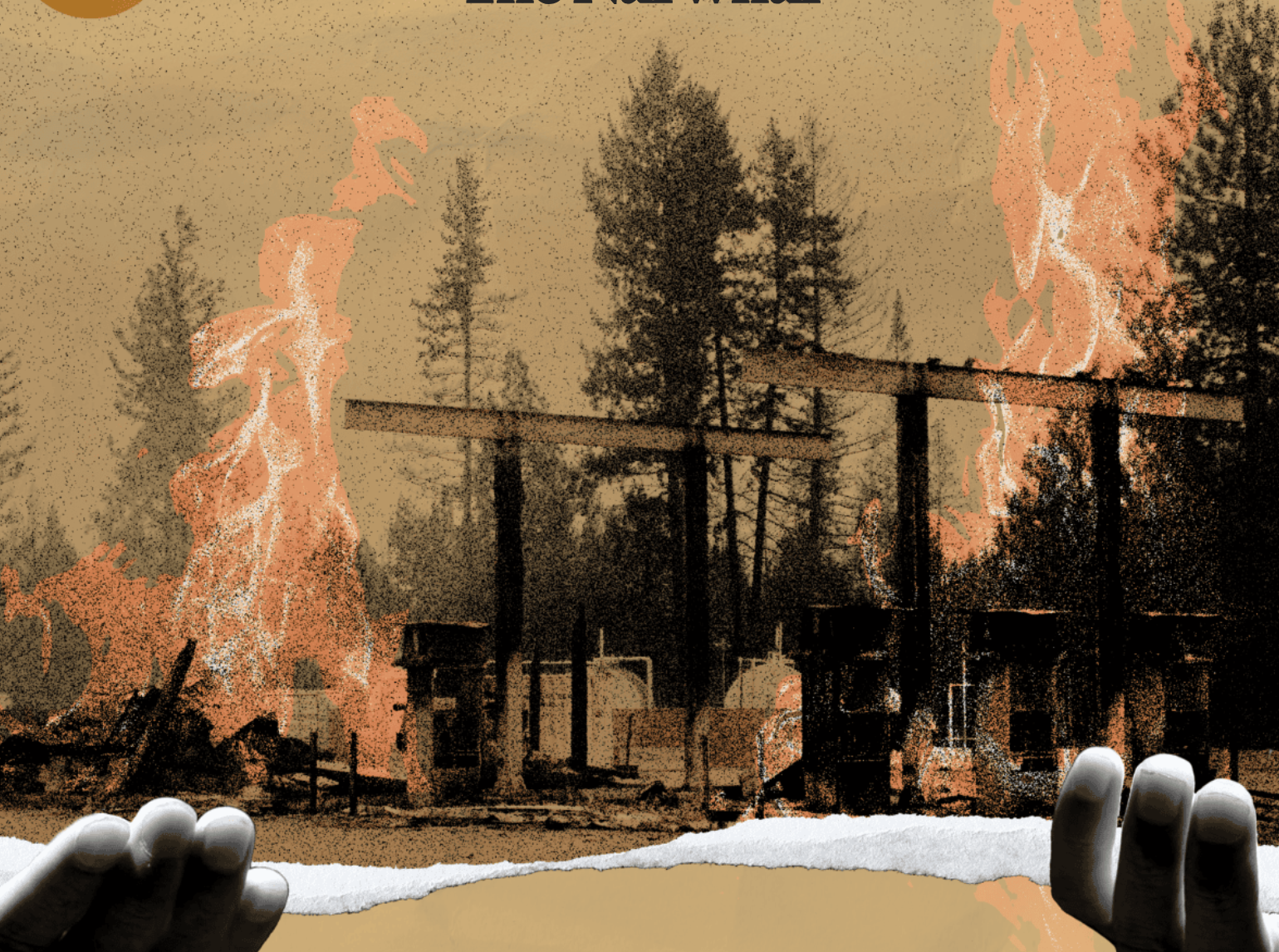
Boosted by high-profile court battles, the backlash against Indigenous rights is shifting public opinion in B.C., shaping political outcomes and turning neighbours against each other. As the conflagration grows, it’s worth looking at who is putting fuel on the fire, and why.
Check out this week’s blog post, which asks: Who’s behind the backlash over Indigenous rights in B.C.?